Omri

Definition and stakes

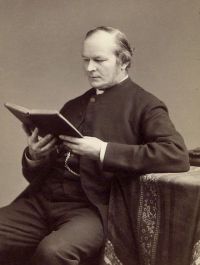
Portrait of Harry Rimmer Harry Rimmer,  Dead Men Tell Tales (1939)

“ They have left a record stating, “No remains earlier than the building of Omri are to be found upon this site.” This being so, we cannot question the statement of the text that Omri was the original builder on the crest of the hill of Samaria, which fact is in itself of considerable importance to the subject of our present study. The question has been raised as to what the effect would have been on the problem of the integrity of the text of the Scripture if this site had proved to have been like the other regions excavated, and was occupied by many older and underlying ruins! ”
Source: Gutenberg

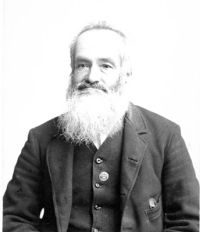
Portrait of Josephus Josephus,  The Works of Flavius Josephus (1879)

“ Now Omri was no way different from those kings that reigned before him, but that he grew worse than they, for they all sought how they might turn the people away from God by their daily wicked practices; and oil that account it was that God made one of them to be slain by another, and that no one person of their families should remain. This Omri also died in Samaria and Ahab his son succeeded him. ”
Source: Wikisource

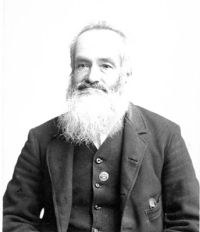
George Foot Moore,  The Literature of the Old Testament

“ From an inscription of the Moabite king Mesha, we learn that Omri subjugated the lands east of the Jordan (see also 2 Kings i. 1; iii. 4 ff.) , and it is probable that his conquests were pushed to the north-east into Syria; the Assyrian kings long after his death [110] call Israel the "house of Omri." But the long and brilliantly successful reign of a king who in religion followed in the footsteps of the kings of Israel before him, "golden calves" and all, obviously could not be made to exemplify the doctrine that such sins are regularly visited by condign judgment in national disaster. ”
Source: Gutenberg

Get perspective with Kwize: daily news enlightened by great literature