Palace of Tuileries

Definition and stakes

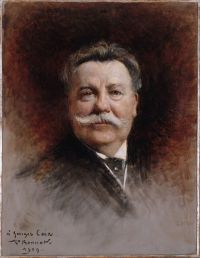
Portrait of Georges Cain Georges Cain Nooks & Corners of Old Paris

THE COURTYARD OF THE CARROUSEL AND THE MUSEUMS ABOUT 1848
Etching by Martial
What shall I say of the Tuileries Palace, except that it once was and is no more? How I regret the magnificent shades of its grand avenue, unrivalled even at Versailles, and its clumps of chestnuts that braved the ardent sun rays! Nature alone is to blame for their disappearance, but they might have been replaced by trees less pitiable than the inevitable plane and acacia, which latter, without its flowers, is really the silliest and ugliest of trees.
Source: Gutenberg

Imbert de Saint-Amand The Court of the Empress Josephine

Vanity of human events! What has become of these drawing-rooms of the Tuileries, which it was such an honor to enter, which were trod with such respectful awe? Look at the lamentable ruins of this ill-fated palace. There may still be seen, blackened with petroleum and stained by the rain, some of those drawing-rooms, once so brilliant, once thronged with an eager and showy crowd. What an instructive spectacle! When is one more urgently reminded of the emptiness of human glory and greatness?
Source: Gutenberg

Various The Catholic World, Vol. 20, October 1874‐March 1875

West of the Louvre, and in the then open country, was a tile-field, which, from the fact of tuiles being manufactured there, was called Les Tuileries. The Médicean sorceress touched the tiles with her wand, and up rose under that magic stroke the stately palace which was to be the centre of so many high and wonderful destinies, and which continued to bear through all changes and vicissitudes its first homely title of Les Tuileries. One life could not suffice for the completion of such a monument, however, and Catherine left it to her three king sons, successively to finish.
Source: Gutenberg

Get perspective with Kwize: daily news enlightened by great literature