Trefoil

Definition and stakes

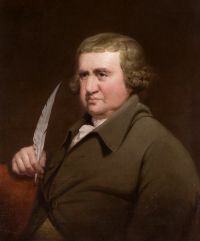
William Salisbury,  The Botanist's Companion, Volume II

“ No plant requires, or in fact deserves, better cultivation than this, and few plants yield less if badly managed.
49. MEDICAGO lupulina. TREFOIL, or NONSUCH.—A biennial plant, very usefully cultivated with Rye-grass and Clover for forming artificial meadows. Trefoil when left on the ground will seed, and these will readily grow and renew the plant successively; which has caused some persons to suppose it to be perennial. About eight or ten pounds of seed are usually sown with six or eight pecks of Rye-grass for an acre, under a crop of Barley or Oats.
”
Source: Gutenberg

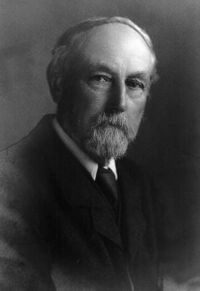
Portrait of Henry S. Salt Henry S. Salt,  The Call of the Wildflower

“ But there is a sad tale to tell of the plant which once the chief pride of these shingles, the starry-headed trefoil, a very lovely pink flower fringed with silky hairs, which, though not a native, has been naturalized near the bank of the harbour since 1804, but now, owing to the enclosures made for ship-building works, has been all but exterminated. "This," wrote the author of the Flora of Sussex (1907) "is one of the most beautiful of our wildflowers, and is found in Britain at Shoreham only. ”
Source: Gutenberg

Edward Step,  Wayside and Woodland Blossoms

“ The name of the genus is Latin, and signifies three-leaved. The principal British species are:—
I. Subterranean Trefoil (T. subterraneum) , so called from its singular habit of 49 burying its pods in the earth when they are ripening. The plant has many creeping stems, covered with soft hairs. The heads of flowers are cream-coloured, and are produced in the axils. The individual flowers are long and slender; only a few in each head are fertile, and in this species the petals fall off early. The pod is a compressed orb. Dry, gravelly pastures.
”
Source: Gutenberg

Get perspective with Kwize: daily news enlightened by great literature