Panathenaic Games

Definition and stakes

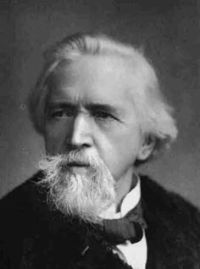
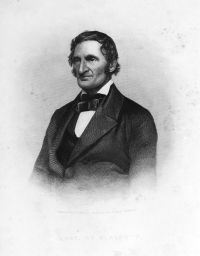
Portrait of Edward B. Tylor Edward B. Tylor,  Anthropology (1881)

“ It is not quite easy to say whether man in a low savage state ever goes beyond these practical sports, and invents games of mere play. But higher up in civilization, such games are known from very ancient times. A trifling game, if it exactly takes hold of the playful mind, may last on in the world almost for ever. The ancient Egyptians, as their old paintings show, used to play our childish game of hot-cockles, where the blind-man who stoops down has to guess who thumped him on the back. ”
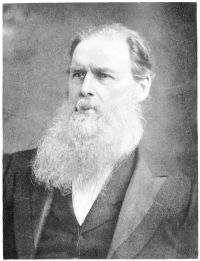
Source: Gutenberg

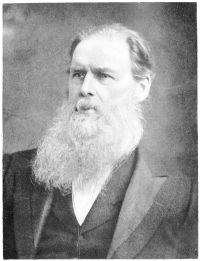
Portrait of Edward Burnett Tylor Edward Burnett Tylor,  Popular Science Monthly (1879)

“ Who, in the middle ages, could have guessed what would be its next outcome—that magic sunk into sport should rise again as science, and man's failure to divine the future should lead him to success in controlling it?
Already in the ancient world there appear mentions of games where the throws of lots or dice, perhaps at first merely scored with counters on a board, give the excitement of chance to a game which is partly a draught-game, the player being allowed to judge with which pieces he will move his allotted number. In England this group of games is represented by backgammon.
”
Source: Wikisource

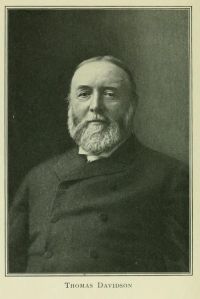
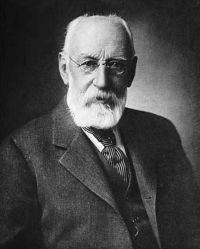
Portrait of Thomas Davidson Thomas Davidson,  Aristotle and Ancient Educational Ideals

“ There are probably few games played by children in our day that were not known in ancient Athens. It seems, however, that games were there conducted with more system, and a deeper sense of their pedagogical value, than they are with us. We hear of running, leaping, hopping, catching, hitting, and throwing games, gymnastic games, and games of chance. ”
Source: Gutenberg

Get perspective with Kwize: daily news enlightened by great literature