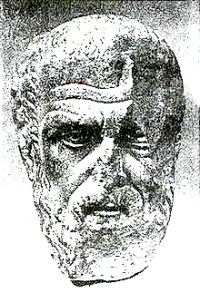
Persian monarch

Definition and stakes

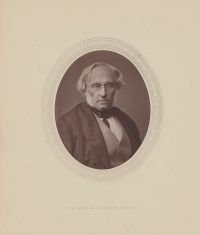
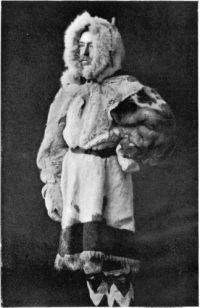
Portrait of George Rawlinson George Rawlinson,  The Seven Great Monarchies Of The Ancient Eastern World…

“ The feeling of the Persian towards his king is one of which moderns can with difficulty form a conception. In Persia the monarch was so much the State, that patriotism itself was, as it were, swallowed up in loyalty; and an absolute unquestioning submission, not only to the deliberate will, but to the merest caprice of the sovereign, was, by habit and education, so engrained into the nature of the people that a contrary spirit scarcely ever manifested itself. ”
Source: Gutenberg

John Lord,  Ancient States and Empires

“ The monarch governed by no council, and the laws centered in the principle that the will of the king was supreme. The only check which he feared was assassination, and he generally spent his life in the retirement of his seraglio, at Susa, Babylon, or Ecbatana.
The Persian empire was the last of the great monarchies of the Oriental world, and these flourished for a period of two thousand years. When nations became wicked or extended over a large territory, the patriarchal rule of the primitive ages no longer proved an efficient government.
”
Source: Gutenberg

Portrait of George Rawlinson George Rawlinson,  The Seven Great Monarchies Of The Ancient Eastern World…

“ The concerns of an empire so vast as that of Persia would have given ample employment for the greater part of the day to any monarch who was determined not only to reign, but to govern. Among the Persian sovereigns there seems to have been a few who had sufficient energy and self-denial to devote themselves habitually to the serious duties of their office. ”
Source: Gutenberg

Get perspective with Kwize: daily news enlightened by great literature