Plautus

Definition and stakes

Wilton W. Blancké,  The Dramatic Values in Plautus

“ I doubt not that from the inception of our acquaintance with the pages of Plautus we have all passed through a similar experience. In the beginning we have been vastly diverted by the quips and cranks and merry wiles of the knavish slave, the plaints of love-lorn youth, the impotent rage of the baffled pander, the fruitless growlings of the hungry parasite's belly. ”
Source: Gutenberg

by various authors,  Dictionary of Greek and Roman Biography and Mythology (1870)

“ The continued popularity of Plautus, through so many centuries, was owing, in a great measure, to his being a national poet. For though his comedies belong to the Comoedia palliata, and were taken, for the most part, from the poets of the new Attic comedy, we should do great injustice to Plautus if we regarded him as a slavish imitator of the Greeks. Though he founds his plays upon Greek models, the characters in them act, speak, and joke like genuine Romans, and he thereby secured the sympathy of his audience more completely than Terence could ever have done. ”
Source: Wikisource

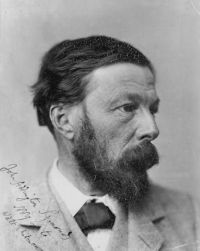
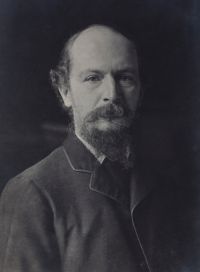
Portrait of J. W. Mackail J. W. Mackail,  Latin Literature

“ The constructive power shown in these pieces is, of course, less that of Plautus himself than of his Greek originals, Philemon, Diphilus, and Menander. But we do not want modern instances to assure us that, in adapting a play from one language to another, merely to keep the plot unimpaired implies more than ordinary qualities of skill or conscientiousness. When Plautus is at his best—in the Aulularia, Bacchides, or Rudens, and most notably in the Captivi—he has seldom been improved upon either in the interest of his action or in the copiousness and vivacity of his dialogue. ”
Source: Gutenberg

Get perspective with Kwize: daily news enlightened by great literature