Polish nobility

Definition and stakes

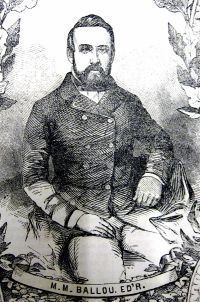
Portrait of Adam Gurowski Adam Gurowski,  Slavery in History

“ The Polish nobility had supreme sway, and were all in all; they constituted the nation, the legislators and the sovereign—even the kings being controlled by the nobles and their interests. The nobles have paid dearly for their tyranny and oppression, as they themselves now admit that serfdom was the principal cause of the downfall of Poland. ”
Source: Gutenberg

Portrait of David Hume David Hume,  Essays

“ The whole nobility will form one body, and the whole people another, without any of those private feuds and animosities, which spread ruin and desolation everywhere. It is easy to see the disadvantages of a Polish nobility in every one of these particulars.
It is possible so to constitute a free government, as that a single person, call him a doge, prince, or king, shall possess a large share of power, and shall form a proper balance or counterpoise to the other parts of the legislature.
”
Source: Gutenberg

The German Classics of the Nineteenth and Twentieth Centuries…

“ I am sorry to have to say it, it is the Polish nobility and the clergy of the Polish propaganda. The Polish nobles are, no doubt, very influential—more so with the Poles than the Germans—but the statistical figures are much larger than the actual number of our aggressive Polish opponents with whom we have to count.
The nobles are thinking of the time when they were all-powerful, and they cannot give up the memory of conditions when they ruled the king as well as the peasants.
”
Source: Gutenberg

Get perspective with Kwize: daily news enlightened by great literature