Pope Clement VII

Definition and stakes

Preserved Smith,  The Age of the Reformation

“ The swing of the pendulum so often noticed in politics was particularly marked in the elections to the papacy of the sixteenth century. In almost every instance the new pope was an opponent, and in some sort a contrast, to his predecessor. In no case was this more true than in the election of 1523. Deciding that if Adrian's methods were necessary to save the church the medicine was worse than the disease, the cardinals lost no time in raising another Medici to the throne. Like all of his race, Clement VII was a patron of art and literature, and tolerant of abuses. ”
Source: Gutenberg

Walter Alison Phillips,  1911 Encyclopædia Britannica, Volume 6… (1911)

“ Though free from the grosser vices of his predecessors, a man of taste, and economical without being avaricious, Clement VII. was essentially a man of narrow outlook and interests. He failed to understand the great spiritual movement which was convulsing the Church; and instead of bending his mind to the problem of the Reformation, he from the first subordinated the cause of Catholicism and of the world to his interests as an Italian prince and a Medici. ”
Source: Wikisource

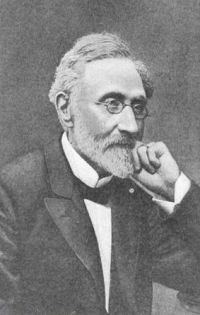
Portrait of Heinrich Graetz Heinrich Graetz,  History of the Jews, Vol. 4 (of 6…

“ He came to Rome (February, 1524) , and accompanied by a servant and an interpreter, rode on a white horse to the Vatican, and requested an interview with Cardinal Giulio, in the presence of other cardinals. Pope Clement also gave him audience, and accepted his credentials.
Clement VII (1523–1534) , one of the most excellent popes, an illegitimate scion of the Florentine Medicis, was sensible and kind, and earnestly desired to see Italy freed from the barbarians, that is, the Germans. But he reigned at a time when Europe had lost its balance.
”
Source: Gutenberg

Get perspective with Kwize: daily news enlightened by great literature