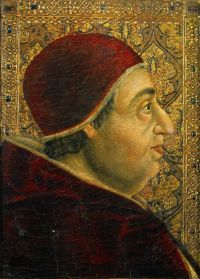
Pope Urban VI

Definition and stakes

1911 Encyclopædia Britannica (1911)

“ Urban VI. (Bartolommeo Prignano) , pope from the 8th of April 1378 to the 15th of October 1389, was born at Naples in 1318. He was made bishop of Acerenza in 1364, and in 1377 was translated to the archiepiscopal see of Bari and placed in charge of the papal chancery. On the death of Gregory XI., who had finally returned to Rome from Avignon, he was elected pope in a conclave held under circumstances of great excitement, owing to popular apprehension of an intention of the French cardinals to elect a French pope and again abandon Rome. ”
Source: Wikisource

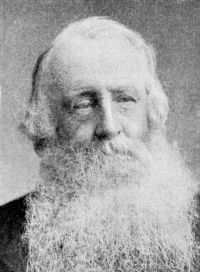
Portrait of David Schley Schaff David Schley Schaff,  John Huss: his life, teachings and death… (1915)

“ The papal schism, which followed upon Gregory’s death, was a far greater misfortune than the Avignon exile. Following the rule that the papal election take place where the pope dies, and overawed by the threats of the Roman populace, which demanded an Italian pope, the curia elected the archbishop of Bari, known as Urban VI. Of the twenty cardinals at that time in Rome sixteen were Frenchmen and only four Italians. Urban was incapable of rising to his great opportunity, and by his self-will and disregard of every dictate of prudence, he himself became a refugee and exile. ”
Source: Wikisource

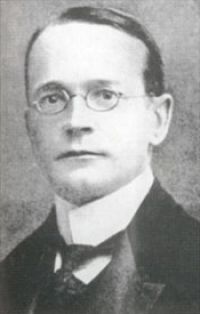
Portrait of František Lützow František Lützow,  Bohemia: An Historical Sketch (1920)

“ After the death of Pope Gregory XI (1378) the cardinals had elected as Pope Bartolomeo Prignani, Archbishop of Bari, who assumed the title of Urban VI; but some of their numbers, probably influenced by the French court, which desired the return of the Popes to Avignon, disputed the validity of the election of Urban VI, as having been forced on the cardinals by the menacing attitude of the Roman people. ”
Source: Wikisource

Get perspective with Kwize: daily news enlightened by great literature