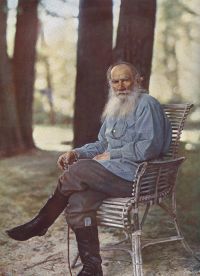
Prince Albert of Saxony

Definition and stakes

Thomas Carlyle History of Friedrich II of Prussia…

He, like his predecessor in office, had undertaken to refuse that Homage to Poland; the Reich generally, and Kaiser Max himself, in a loose way of talk, encouraging him: "A piece of the Reich," said they all; "Teutsch Ritters had no power to give it away in that manner." Which is a thing more easily said, than made good in the way of doing.
Albert's predecessor, chosen on this principle, was a Saxon Prince, Friedrich of Meissen; cadet of Saxony; potently enough connected, he too; who, in like manner, had undertaken to refuse the Homage.
Source: Gutenberg

Anonymous The Empress Frederick: a memoir

On the contrary, the Prince had evidently persuaded himself that his daughter’s marriage would be very popular in Germany—more popular than it happened to be just then in England. Like most men of high, strong, narrow character, Prince Albert never allowed himself to perceive what at the moment he did not wish to see.
This view is entirely borne out by the letters which Prince Albert wrote then and later to the Prince of Prussia. Even when addressing one who was far older than himself, and already in the position of a ruler, he always assumed the attitude of mentor rather than of adviser
Source: Gutenberg

1911 Encyclopædia Britannica (1911)

Albert, who was a man of great strength and considerable skill in feats of arms, delighted in tournaments and knightly exercises. His loyalty to the emperor Frederick, and the expenses incurred in this connexion, aroused some irritation among his subjects, but his rule was a period of prosperity in Saxony.
Source: Wikisource

Get perspective with Kwize: daily news enlightened by great literature