Punan people

Definition and stakes

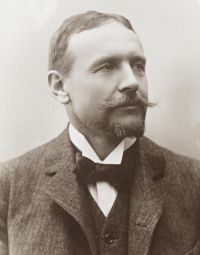
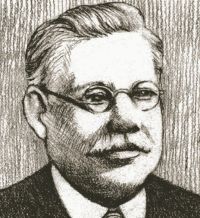
Portrait of Charles Hose Charles Hose,  The Pagan Tribes of Borneo

“ A Punan community consists generally of some twenty to thirty adult men and women, and, about the same number of children. One of the older men is recognised as the leader or chief. He has little formally defined authority, but rather the authority only that is naturally accorded to age and experience and to the fuller knowledge of the tribal history and traditions that comes with age. ”
Source: Gutenberg

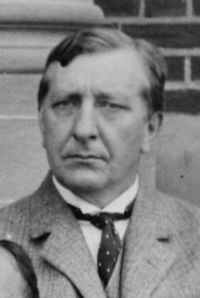
Portrait of Charles Hose Charles Hose,  The Pagan Tribes of Borneo

“ Their view of the life after death seems to involve no system of retribution and to be wellnigh devoid of moral significance. Their religious beliefs probably influence their conduct less strongly than do those of the Kayans; for among the latter such beliefs certainly make strongly for social conduct, I.E. for obedience to the chiefs and for observance of custom and public opinion; but in the Punan community the conditions of life are so simple and so nearly in harmony with the impulses of the natural man that temptations to wrong-doing are few and weak ”
Source: Gutenberg

Portrait of Charles Hose Charles Hose,  The Pagan Tribes of Borneo

“ Danger assails the Punan on every side and at all times, hence alertness, energy, and courage are the prime virtues; courage is rated highest, and a woman looks especially for courage in her husband. But though courageous and active, Punans are not pugnacious; as was said above, they rarely or never fight against one another, and the nomadic groups of each region maintain friendly relations with one another. ”
Source: Gutenberg

Get perspective with Kwize: daily news enlightened by great literature