Queen Christina of Sweden

Definition and stakes

Julia Cartwright Christina of Denmark, Duchess of Milan and Lorraine…

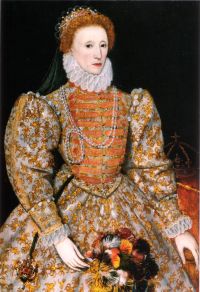
Christina, on the contrary, is clad in mourning robes, and her white frilled cap and veil and plain cambric ruff are without a single jewel. But the fine features and noble presence reveal her high lineage. Instead of a fan, she holds a parchment deed in her hand, and on her shield the arms of Austria and Denmark are quartered with those of Milan and Lorraine, while above we read the proud list of her titles—Queen of Denmark, Sweden, and Norway, Duchess of Milan, Lorraine, Bar, and Calabria, and Lady of Tortona.
Source: Gutenberg

Robert Nisbet Bain 1911 Encyclopædia Britannica, Volume 6… (1911)

Signs are also not wanting that Christina was growing weary of the cares of government; while the importunity of the senate and Riksdag on the question of her marriage was a constant source of irritation. In retirement she could devote herself wholly to art and science, and the opportunity of astonishing the world by the unique spectacle of a great queen, in the prime of life, voluntarily resigning her crown, strongly appealed to her vivid imagination.
Source: Wikisource

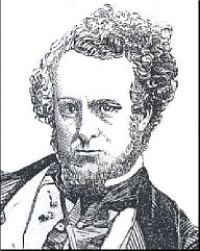
Portrait of Nathaniel Hawthorne Nathaniel Hawthorne True Stories of History and Biography

When she had worn the crown a few years, she began to consider it beneath her dignity to be called a queen, because the name implied that she belonged to the weaker sex. She therefore caused herself to be proclaimed KING, thus declaring to the world that she despised her own sex, and was desirous of being ranked among men. But in the twenty-eighth year of her age, Christina grew tired of royalty, and resolved to be neither a king nor a queen any longer. She took the crown from her head, with her own hands, and ceased to be the ruler of Sweden.
Source: Gutenberg

Get perspective with Kwize: daily news enlightened by great literature