Roman Martyrology

Definition and stakes

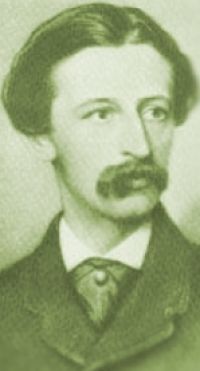
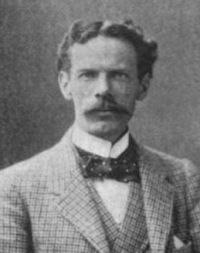
Portrait of Louise Imogen Guiney Louise Imogen Guiney,  A Little English Gallery

“ He shared the [291] groaning of the spirit after mortal welfare with Swift and Fielding, with Shelley and Matthew Arnold, with Carlyle and Ruskin; he was corroded with cares and desires not his own. Beside this intense devotedness, what personal flaw will ultimately show? The host who figure in the Roman martyrology hang all their claim upon the fact of martyrdom, and, according to canon law, need not have been saints in their lifetime at all. So with such souls as his: in the teeth of a thousand acknowledged imperfections in life or in art, they remain our exemplars. ”
Source: Gutenberg

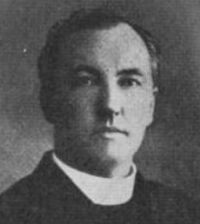
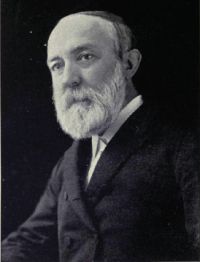
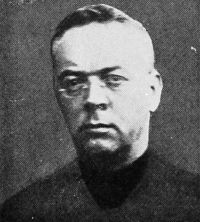
Portrait of Hippolyte Delehaye Hippolyte Delehaye,  1911 Encyclopædia Britannica (1911)

“ Of the best-known historical martyrologies the oldest are those which go under the name of Bede and of Florus (Acta sanctorum Martii, vol. ii.) ; of Wandelbert, a monk of Prüm (842) ; of Rhabanus Maurus (c. 845) ; of Ado (d. 875) ; of Notker (896) ; and of Wolfhard (c. 896 v. Analecta bollandiana, xvii. 11) . The most famous is that of Usuard (c. 875) , on which the Roman martyrology was based. The first edition of the Roman martyrology appeared at Rome in 1583. The third edition, which appeared in 1584, was approved by Gregory XIII., who imposed the Roman martyrology upon the whole Church. ”
Source: Wikisource

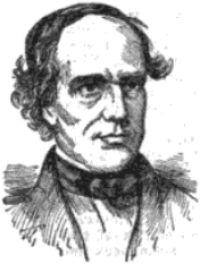
G. B. Nicolini,  History of the Jesuits: Their origin…

“ We expressly forbid that, in administering baptism, any of the Christian rites are to be omitted.... We command, moreover, that a name of the Roman martyrology be given to the catechumen, and not an idolatrous one.... We order that no one, under any pretext whatever, shall change the signification of the names of the cross, of the saints, or of any other sacred thing.... ”
Source: Gutenberg

Get perspective with Kwize: daily news enlightened by great literature