Roman colony

Definition and stakes

Livy,  The History of Rome, Books 09 to 26

“ We, who erewhile, indignant at the storming of Saguntum, appealed not to men only, but to treaties and to gods, behold Hannibal scaling the walls of a Roman colony unmoved. The smoke from the flames of our farm-houses and lands comes into our eyes and faces; our ears ring with the cries of our weeping allies, imploring us to assist them oftener than the gods, while we here are leading our troops, like a herd of cattle, through shady forests and lonely paths, enveloped in clouds and woods. ”
Source: Gutenberg

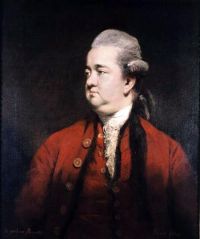
Portrait of John William Draper John William Draper,  History of the Intellectual Development of Europe…

“ Italy, Sicily, Asia Minor, Gaul, Germany, were full of people, but they greatly diminished under Roman occupation. Her maxims were capable of being realized with facility through her military organization, particularly that of the legion. In some nations [251] colonies are founded for commercial purposes, in others for getting rid of an excess of population: the Roman colony implies the idea of a garrison and an active military intent. ”
Source: Gutenberg

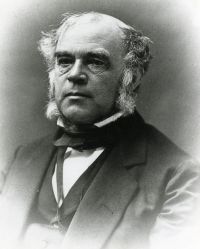
Portrait of Barthold Georg Niebuhr Barthold Georg Niebuhr,  Niebuhr's lectures on Roman history… (1875)

“ We must bear in mind the origin of the colonies; how a portion of the territory was set apart, and allotted to the coloni, while the rest remained to the old inhabitants; and how the colony then became, either the representative of the sovereign state, or, should it get emancipated, itself a sovereign power. The Romans always bound their colonies closely to themselves; the same appears to have been done by the Latins. There is scarcely anything similar to this in the Greek colonies. ”
Source: Gutenberg

Get perspective with Kwize: daily news enlightened by great literature