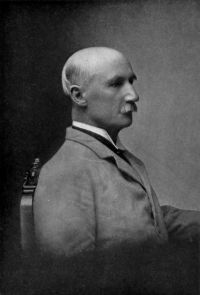
Saigō Takamori

Definition and stakes

Captain F. Brinkley,  Japan: Its History, Arts, and Literature (1902)

“ Among the five, four were sincere reformers; not free, of course, from selfish motives, but truthfully bent upon promoting the interests of their country before all other aims. The fifth, Saigo Takamori, was a man in whom boundless ambition lay concealed under qualities of the noblest and most endearing type. His absolute freedom from every trace of sordidness gave currency to a belief that his objects were of the simplest; the story of his career satisfied the highest canons of the samurai ”
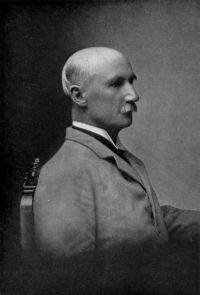
Source: Wikisource

Trumbull White,  The War in the East: Japan, China…

“ Its leader, Saigo Takamori, was one of the most powerful members of the reformed government until 1873 when he resigned as some of his predecessors had done, indignant at the peace policy which was pursued. A veritable Cincinnatus, he seems to have won the hearts of all classes around him by the Spartan simplicity of his life and the affability of his manner, and there was none more able or more willing to come to the front when duty to his country called him. It is a thousand pities that such a genuine patriot should have sacrificed himself through a mistaken notion of duty. ”
Source: Gutenberg

J. Morris,  Makers of Japan (1906)

“ If in the affectionate remembrance of his countrymen Saigo Takamori was the “sword and spear” of the Revolution of 1868, as Kido was its “brain” (employing a phrase once much in vogue) , the thoughts of people in Japan must often turn to the long since dead Mito scholar who implanted in his pupil the conviction of the pressing need that there was for a return to the old order of things, and the personal rule of the real emperor.
There is a little story still current in Japan relative to the time of Saigo’s departure from Mito, after a stay of some years’ duration there under Fujita’s tuition.
”
Source: Gutenberg

Get perspective with Kwize: daily news enlightened by great literature