Saint-Louis, Senegal

Definition and stakes

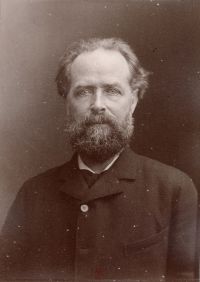
Portrait of Élisée Reclus Élisée Reclus,  Africa by Élisée Reclus/Volume 3 (1892)

“ Throughout the whole region connecting Saint Louis on the coast with Bamaku on the Joliba, the preliminary explorations were followed by more accurate surveys for determining the relief of the land, and certain sections of the Senegal are now figured on our maps with the same fulness of detail as the European countries. As in Algeria, Egypt, the Cape, and at all points of the seaboard where busy European communities have been developed, science is slowly but surely prosecuting its work of conquest. ”
Source: Wikisource

Pierre-Raymond de Brisson,  Perils and Captivity

“ That first impression has all the force of reality to the superficial observer; but if he remain any time, the illusion vanishes, and Senegal appears what it really is—a parched and barren country, destitute of the most necessary vegetables for the nourishment and preservation of the health of man.
The town of St Louis, which is also called Senegal, because it is the head-quarters of the French establishments on that coast, is built upon a small island or a bank of sand, formed in the midst of the river Senegal, at about two leagues from its mouth.
”
Source: Gutenberg

Portrait of Élisée Reclus Élisée Reclus,  Africa by Élisée Reclus/Volume 1 (1892)

“ North of the Senegal no large river reaches the coast, and for a space of 4,800 miles from the bar of Saint Louis to the Nile delta nothing is met except a few wadies or small streams, such as the Draa, in the south of Morocco, the Moluya, Shelif, Mejerda, flowing to the Mediterranean. The Congo alone probably discharges as much water as all the other African rivers together. Next to it rank the Niger and Zambezi, the Nile in this respect taking only the fourth place. ”
Source: Wikisource

Get perspective with Kwize: daily news enlightened by great literature