“ Schenectady, a city in Schenectady county, New York, about sixteen miles north-west of Albany, is regularly built, and a pleasant and flourishing place. The Erie canal passes through it, and communication with the Hudson is facilitated by the rail-road to Albany; the rail-road to Saratoga is much travelled during the warm season. Many lines of stage coaches pass through this city. Union college was incorporated in 1794, and is a highly respectable institution. This town was one of the earliest settlements in New York ”
Schenectady, New York
Definition and stakes
Schenectady, New York, a city in Schenectady County, lies approximately sixteen miles northwest of Albany, renowned for its historical significance and industrial growth. From colonial times through the 19th century, figures such as the New York Central Railroad Company and William Elliot Griffis emphasized its role as a transportation hub and a site of economic change, from the influence of the Erie Canal to the emergence of manufacturing.
Francis Whiting Halsey pointed out its strategic importance during times of frontier conflict, while others, like the New York State College of Agriculture, highlighted its educational and agricultural foundations. These diverse viewpoints together demonstrate Schenectady’s transformation from a colonial settlement into a center of innovation and infrastructure, showcasing its lasting link to regional advancement.
Quotes about “Schenectady, New York”
New York Central Railroad Company, The Greatest Highway in the World
“ Up to the time of the building of the Erie Canal, Schenectady had been an important depot of the Mohawk River boat trade to the westward, but after the completion of the canal it suffered a decline. The modern manufacturing era, beginning about 1880, brought Schenectady growth and prosperity. To-day the city can boast that its products "light and haul the world." As we enter the town we pass on the left the main establishment of the General Electric Co., the largest electrical manufacturing plant in the world, with 200 buildings and 26,000 employees. ”
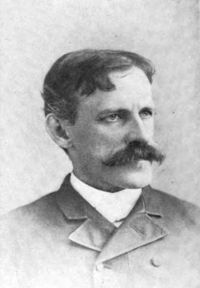 William Elliot Griffis,
The Story of New Netherland — Chapter XXI: Dorp and its Story
(1909)
“ The right to bolt flour and to trade in furs was denied the Dorpians, and many a time did the sheriff come up from Albany to search houses and keep money in the pockets of patroon and Company. The bolting of flour was Manhattan’s monopoly, to the bloating in wealth of men already rich, and to the inconvenience and impoverishing of the villagers who could have only meal. It is significant that on the city seal of Schenectady is a sheaf of wheat, while on that of New York City are windmill sails and barrels of flour. ”





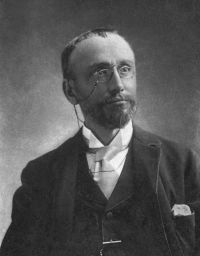
Related terms
Authors who wrote about “Schenectady, New York”
New York Central Railroad CompanyNew York Public Library F. Scott FitzgeraldHenry James
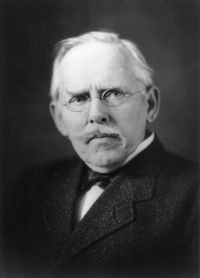 Jacob A. Riis
 Edith WhartonNew York State College of Agriculture
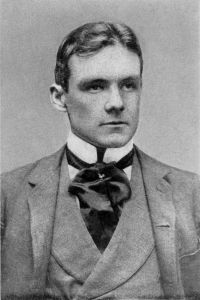 Richard Harding DavisWilliam Elliot GriffisNew York State SenateThe New York Times
 George Barr McCutcheon
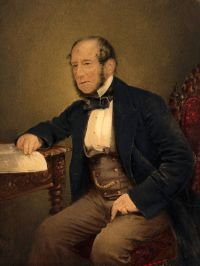 Henry Adams
 Israel Zangwill
 John Dos PassosFrancis Worcester DoughtyNew York Tribune
 Oscar WildeJames Weldon Johnson
 Wilkie Collins
F. Scott FitzgeraldHenry JamesJacob A. RiisEdith WhartonNew York State College of AgricultureRichard Harding DavisWilliam Elliot GriffisNew York State SenateThe New York TimesGeorge Barr McCutcheonHenry AdamsIsrael ZangwillJohn Dos PassosFrancis Worcester DoughtyNew York TribuneOscar WildeJames Weldon JohnsonWilkie Collins