Shangdi

Definition and stakes

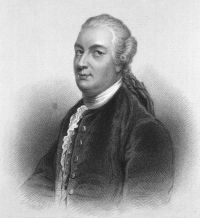
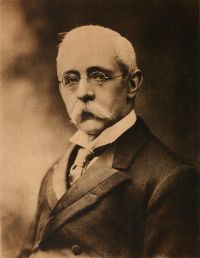
Portrait of Herbert Allen Giles Herbert Allen Giles,  Religions of Ancient China — Chapter I…

“ It is not quite so vague as T'ien, which seems to be more of an abstraction, while Shang Ti is a genuinely personal God. Reference to T'ien is usually associated with fate or destiny, calamities, blessings, prayers for help, etc. The commandments of T'ien are hard to obey; He is compassionate, to be feared, unjust, and cruel. Shang Ti lives in heaven, walks, leaves tracks on the ground, enjoys the sweet savour of sacrifice, approves or disapproves of conduct, deals with rewards and punishments in a more particular way, and comes more actually into touch with the human race. ”
Source: Wikisource

Portrait of Zhuangzi Zhuangzi,  Chuang Tzu: Mystic, Moralist, and Social Reformer

“ Now the empire is a great trust; but not to sacrifice one's life for it is precisely where the man of Tao differs from the man of the world.
Shun offered to resign the empire to Shan Chüan. Shan Chüan said, "I am a unit in the sum of the universe. In winter I wear fur clothes. In summer I wear grass-cloth. In spring I plough and sow, toiling with my body. In autumn I gather in the harvest, and devote myself to rest and enjoyment. At dawn I go to work; at sunset I leave off. Contented with my lot I pass through life with a light heart. Why then should I trouble myself with the empire?
”
Source: Gutenberg

E. T. C. Werner,  Myths and Legends of China

“ Confusion of ideas and paucity of primitive language lead to personification and worship of a thing or being in which a spirit has taken up its abode in place of or in addition to worship of the spirit itself. Thus Heaven (T’ien) itself came to be personified and worshipped in addition to Shang Ti, the Emperor who had gone to Heaven, and who was considered as the chief ruler in the spiritual world. The worship of Shang Ti was in existence before that of T’ien was introduced. ”
Source: Gutenberg

Get perspective with Kwize: daily news enlightened by great literature