Sibylline books

Definition and stakes

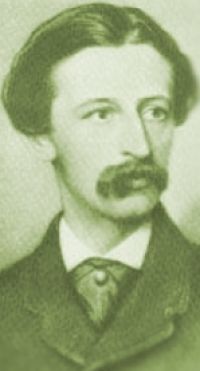
Portrait of Lactantius Lactantius,  Ante-Nicene Fathers Vol. VII, The Divine Institutes… (1885)

“ Marcus Varro, than whom no man of greater learning ever lived, even among the Greeks, much less among the Latins, in those books respecting divine subjects which he addressed to Caius Cæsar the chief pontiff, when he was speaking of the Quindecemviri, [2] says that the Sibylline books were not the production of one Sibyl only, but that they were called by one name Sibylline, because all prophetesses were called by the ancients Sibyls, either from the name of one, the Delphian priestess, or from their proclaiming the counsels of the gods. ”
Source: Wikisource

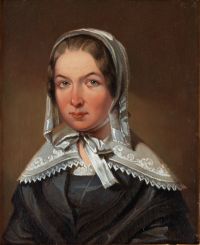
Portrait of Plato Plato,  Phaedrus

“ Why did a thousand years invent nothing better than Sibylline books, Orphic poems, Byzantine imitations of classical histories, Christian reproductions of Greek plays, novels like the silly and obscene romances of Longus and Heliodorus, innumerable forged epistles, a great many epigrams, biographies of the meanest and most meagre description, a sham philosophy which was the bastard progeny of the union between Hellas and the East? ”
Source: Gutenberg

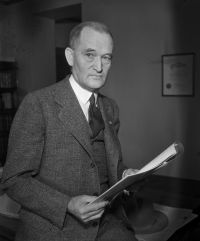
Portrait of Alexander Pope Alexander Pope,  The Works of Alexander Pope, Volume 1

“ The resemblance which portions of the Pollio bear to passages in Isaiah is generally admitted. "This," says Pope, "will not seem surprising when we reflect that the Eclogue was taken from a Sibylline prophecy on the same subject." He does not attempt to explain how the Sibyl came by her knowledge, unless he means us to infer that she was divinely illuminated. This theory has been supported by learned men, and would be warranted if the eight books of Sibylline oracles, still extant in Greek verse, were anterior to the Christian era ”
Source: Gutenberg

Get perspective with Kwize: daily news enlightened by great literature