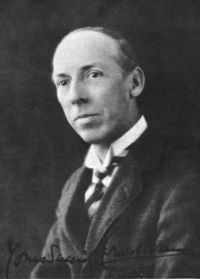
Sun Tzu

Definition and stakes

Sun Tzu,  The Art of War (1910)

“ It is obvious that any attempt to reconstruct even the outline of Sun Tzŭ’s life must be based almost wholly on conjecture. With this necessary proviso, I should say that he probably entered the service of Wu about the time of Ho Lu’s accession, and gathered experience, though only in the capacity of a subordinate officer, during the intense military activity which marked the first half of that prince’s reign. [76] If he rose to be a general at all, he certainly was never on an equal footing with the three above mentioned. ”
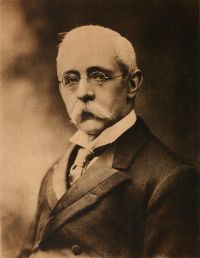
Source: Wikisource

Sun Tzu,  The Art of War (1910)

“ They can be put to any use that their sovereign may desire; bid them go through fire and water, and they will not disobey. — But the King replied: Let our general cease drilling and return to camp. As for us, We have no wish to come down and inspect the troops. — Thereupon Sun Tzŭ said: The King is only fond of words, and cannot translate them into deeds. — After that, Ho Lu saw that Sun Tzŭ was one who knew how to handle an army, and finally appointed him general. In the West, he defeated the Ch‘u State and forced his way into Ying, the capital ”
Source: Wikisource

active 6th century B.C. Sunzi,  Sun Tzŭ on the Art of War: The Oldest Military Treatise in the World (1910)

“ Again, Sun Wu loved brevity of diction, but his meaning is always deep. Whether the subject be marching an army, or handling soldiers, or estimating the enemy, or controlling the forces of victory, it is always systematically treated; the sayings are bound together in strict logical sequence, though this has been obscured by commentators who have probably failed to grasp their meaning. In his own commentary, Mei Shêng-yü has brushed aside all the obstinate prejudices of these critics, and has tried to bring out the true meaning of Sun Tzŭ himself. ”
Source: Gutenberg

Get perspective with Kwize: daily news enlightened by great literature