Temple of Minerva

Definition and stakes

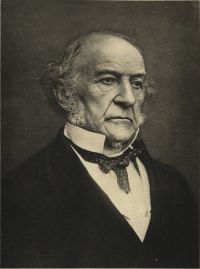
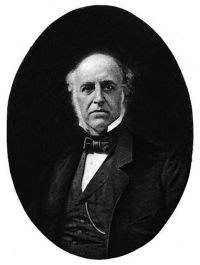
William O. Blake,  The History of Slavery and the Slave Trade (1861)

“ In the circle of Minerva's temple stood the olive-tree, sacred to that goddess. On the front part of the Acropolis, and on each end, two theatres are visible, the one of Bacchus, the other, the Odeum; the former for dramatic exhibitions, the latter for musical competitions, also built with extraordinary splendor. The treasury is also in the back part of the temple of Minerva. In the lower city were many fine specimens of architecture, viz: the Poikile, or the gallery of historical paintings; besides the temple of the Winds, and the monuments of celebrated men. ”
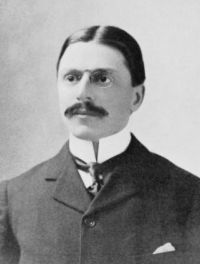
Source: Wikisource

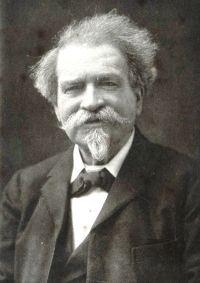
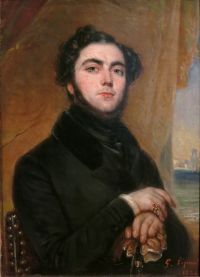
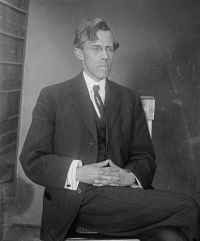
Portrait of Jesse Benedict Carter Jesse Benedict Carter,  The Religion of Numa

“ The history of the cult of Minerva is much more complicated than that of Hercules or Castor. Like them she was subjected to strong Greek influence, and, as we shall see later, not very long after her introduction she was taken into the company of Juppiter and Juno, thus forming the famous Capitoline triad. Also temples were built to her individually under various aspects of the worship of Athena with whom she gradually became identified, but in the old Aventine temple the original idea of Minerva, the working man's friend, continued practically unchanged. ”
Source: Gutenberg

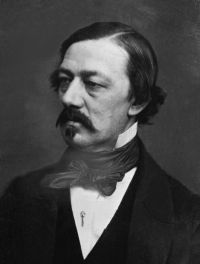
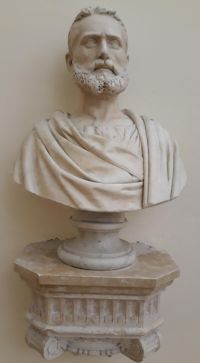
Portrait of Augustus J. C. Hare Augustus J. C. Hare,  Walks in Rome

“ One side of the piazza is occupied by the mean ugly front of the Church of Sta. Maria sopra Minerva, built in 1370 upon the ruins of a temple of Minerva founded by Pompey. It is the only gothic church in Rome of importance. In 1848—55 it was redecorated with tawdry imitation marbles, which have only a good effect when there is not sufficient light to see them. In spite of this, the interior is very interesting, and its chapels are a perfect museum of relics of art or history. ”
Source: Gutenberg

Get perspective with Kwize: daily news enlightened by great literature