Therapeutae

Definition and stakes

1911 Encyclopædia Britannica, Volume 26… (1911)

“ To the modern reader the importance of the Therapeutae, as of the Essenes, lies in the evidence they afford of the existence of the monastic system long before the Christian era. We have no clue to the origin of the Therapeutae, but it is plain that they were already ancient when Philo described them. Eusebius was so much struck by the likeness of the Therapeutae to the Christian monks of his own day as to claim that they were Christians converted by the preaching of St Mark. ”
Source: Wikisource

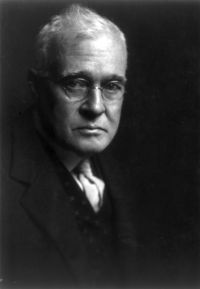
Portrait of Albert Leffingwell Albert Leffingwell,  Vivisection

“ Probably most readers are aware that physiology is that science which treats of the various functions of life, such as digestion, respiration and the circulation of the blood, while therapeutics is that department of medicine which relates to the discovery and application of remedies for disease. Now I venture to assert that, during the last quarter of a century, infliction of intense torture upon unknown myriads of sentient, living creatures, has not resulted in the discovery of a single remedy of acknowledged and generally accepted value in the cure of disease. ”
Source: Gutenberg

Portrait of Diogenes Laërtius Diogenes Laërtius,  Life in a tub; with a description of the Turkish bath (1858)

“ This mode of treating disease (Hydropathy) is unquestionably far from inert, and most opposed to the cure of diseases, by the undisturbed processes of nature. It in fact perhaps affords the very best evidence we possess of the curative power of art, and is unquestionably when rationally [7] regulated a most effective mode of treatment in many diseases. Still it puts in a striking light, if not exactly the curative powers of nature, at least the possibility—nay, facility—with which all the ordinary instruments of medical cure, drugs, may be dispensed with. ”
Source: Gutenberg

Get perspective with Kwize: daily news enlightened by great literature