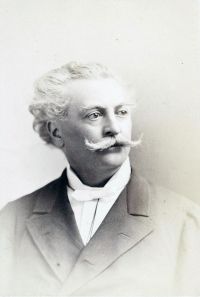
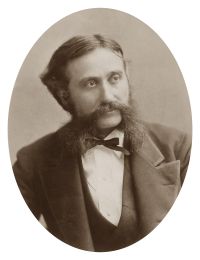
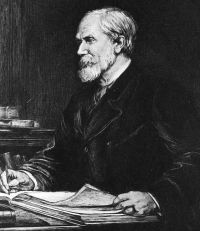
Tikal, an ancient Maya city in present-day Guatemala, stands as a monumental testament to pre-Columbian civilization, famed for its towering pyramids and elaborate stelae. While archaeologists like Désiré Charnay and Herbert Spinden emphasize its architectural splendor and connections to Toltec influence, novelist H. Rider Haggard reimagines it as a vengeful ruler in Heart of the World, merging myth with history.
Scholars such as Hubert Howe Bancroft and Thomas A. Joyce underscore its significance as a major Maya site, charting its development through centuries of continuous occupation. These varied viewpoints converge to portray Tikal not only as a tangible remnant of the past but also as a symbolic center of cultural and narrative heritage.
 H. Rider Haggard,
Heart of the World
H. Rider Haggard,
Heart of the World