Tito

Definition and stakes

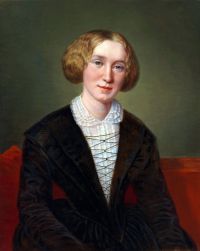
Portrait of George Eliot George Eliot,  Romola (1863)

“ That Tito nearly a year after his father had been parted from him should have been living in apparent prosperity at Florence, selling the gem which he ought not to have sold till the last extremity, was a fact that Baldassarre shrank from trying to account for; he was glad to be stunned and bewildered by it, rather than to have any distinct thought; he tried to feel nothing but joy that he should behold Tito again. Perhaps Tito had thought that his father was dead; somehow the mystery would be explained. "But at least I shall meet eyes that will remember me; I am not alone in the world." ”
Source: Wikisource

Portrait of George Eliot George Eliot,  Romola (1863)

“ Tito looked up with a slight start, and his lips turned pale, but he seemed hardly more moved than Giannozzo Pucci, who had looked up at the same moment—or even than several others round the table; for that sallow deep-lined face with the hatred in its eyes seemed a terrible apparition across the wax-lit ease and gaiety. And Tito quickly recovered some self-command. "A mad old man—he looks like it—he is mad!" was the instantaneous thought that brought some courage with it; for he could conjecture no inward change in Baldassarre since they had met before. ”
Source: Wikisource

Newell Dwight Hillis,  The Investment of Influence: A Study of Social Sympathy and Service

“ The orphan child, Tito, is received into the arms of an adopted father, who lavishes upon him all his wealth. But when the youth was grown to full strength and beauty, one night Tito left his adopted father in slavery and fled with his gold and gems into a foreign land. Years passed by and, with his stolen wealth, Tito bought wife, palace, position, fame. He had sown falsehood and cruelty, and nothing seemed so unlikely as that he would reap a similar harvest. But one day the people discovered his falsehood and attacked Tito. ”
Source: Gutenberg

Get perspective with Kwize: daily news enlightened by great literature