Treaty of Trianon

Definition and stakes

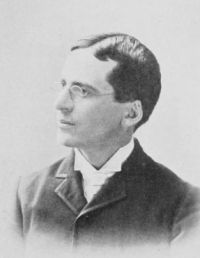
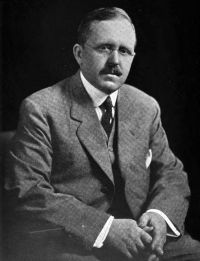
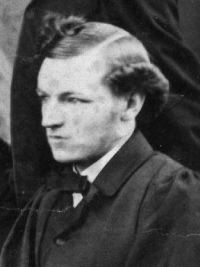
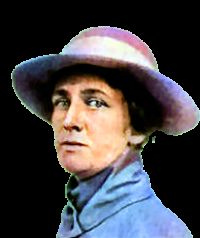
Portrait of Herbert Adams Gibbons Herbert Adams Gibbons Europe Since 1918

One criticizes the Treaty of Trianon, not because one has sympathy with Hungarian grievances based upon national pride and interest, but because the frontiers as now drawn are unwise and impolitic if we are looking for a durable world peace and for an end to the intolerable burden of universal military service and heavy armaments.
Source: Gutenberg

w:Allied and Associated Powers Treaty of Trianon — Signatures…

THE PRESENT TREATY, in French, in English, and in Italian, shall be ratified. In case of divergence, the French text shall prevail, except in Parts I (Covenant of the League of Nations) and XIII (Labour) , where the French and English texts shall be of equal force.
The deposit of ratifications shall be made at Paris as soon as possible.
Powers of which the seat of the Government is outside Europe will be entitled merely to inform the Government of the French Republic through their diplomatic representative at Paris that their ratification has been given
Source: Wikisource

w:Allied and Associated Powers Treaty of Trianon — Preamble

Mr Stephen Osusky, Envoy Extraordinary and Minister Plenipotentiary of the Czecho-Slovak Republic at London; Hungary: Mr Gaston de Bénard, Minister of Labour and Public Welfare; Mr Alfred Drasche-Lazar, Envoy Extraordinary and Minister Plenipotentiary; Who having communicated their full powers found in good and due form have agreed as follows:
From the coming into force of the present Treaty the state of war will terminate.
From that moment and subject to the provisions of this Treaty official relations will exist between the Allied and Associated Powers and Hungary.
Source: Wikisource

Get perspective with Kwize: daily news enlightened by great literature