Turan

Definition and stakes

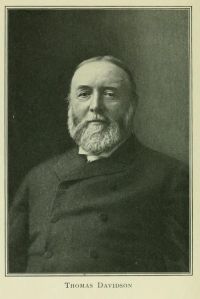
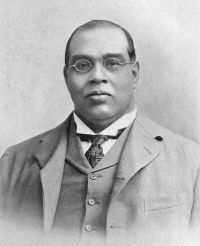
Philip Lake, Albert Houtum-Schindler, Eduard Meyer, Karl F. Geldner and Karl H. Ethé,  1911 Encyclopædia Britannica (1911)

“ To the settled peasantry, these nomads of the steppe were always “the enemy” (dana, daha, Δάαι, Dahae) . Side by side with this name we find “Tūrān” and “Turanian”; a designation applied both by the later Persians and by modern writers to this region. The origin of the word is obscure, derived perhaps from an obsolete tribal name. It has no connexion whatever with the much later “Turks,” who penetrated thither in the 6th century after Christ. Though found neither in the inscriptions of Darius nor in the Greek authors, the name Turan must nevertheless be of great antiquity ”
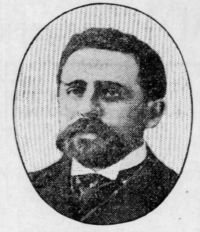
Source: Wikisource

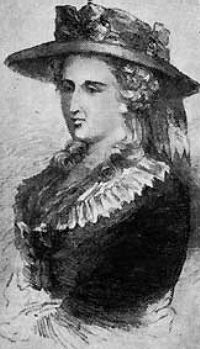
Portrait of Richard James Horatio Gottheil Richard James Horatio Gottheil,  Persian Literature (1900)

“ Túrán, which is the ancient name of the country of Turkistán, appears from Des Guignes, to be the source and fountain of all the celebrated Scythian nations, which, under the name of Goths and Vandals, subsequently overran the Roman empire. Irán and Túrán, according to the Oriental historians, comprehended all that is comprised in upper Asia, with the exception of India and China. Every country beyond the pale of the Persian empire was considered barbarous. ”
Source: Wikisource

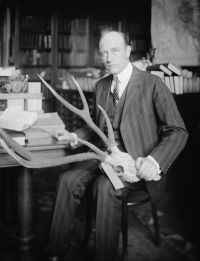
Portrait of Edgar Rice Burroughs Edgar Rice Burroughs,  The Chessmen of Mars (1922)

“ Speak the whole truth!" commanded O-Tar.
"There is much unrest among the chieftains and the warriors," replied E-Thas. "Even those who were your friends fear the power of those who speak against you."
"What say they?" growled the jeddak.
"They say that you are afraid to enter the apartments of O-Mai in search of the slave Turan—oh, do not be angry with me, Jeddak; it is but what they say that I repeat.
”
Source: Wikisource

Get perspective with Kwize: daily news enlightened by great literature