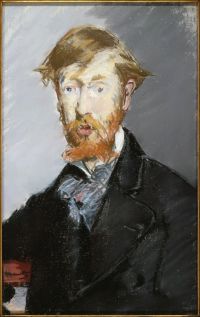
“ A telegram in the hall for Ulick, a hesitation in Ulick's voice, a sudden shifting of the eyes—anything sufficed—and therewith he was burnt to the bone, far beyond the bone, into the very vitals. Even now in his study, he waited another scalding. At any moment Ulick might come in, and though he never betrayed himself by any word or look, still his presence would suggest that he had just come from Evelyn. Perhaps he had been walking with her in the park? But why wait in Berkeley Square? If a martyrdom of jealousy he must endure, let it be at Riversdale. Out of sight would not mean out of mind ”
Ulick
Definition and stakes
The literary concept of "Ulick" emerges as a multifaceted character archetype, embodying emotional depth, moral uncertainty, and social conflict across 19th- and early 20th-century narratives. Authors such as George Moore depict Ulick as a figure consumed by jealous yearning, while James Huneker frames him in devout yet troubled spiritual conflicts. Charlotte M.
Yonge and Maria Edgeworth highlight his role in social satire, contrasting his playful irreverence with sincere philosophical reflections. Stanley Weyman, meanwhile, portrays him as a familial figure caught in duty and bitterness. These varied portrayals collectively reveal Ulick as a vehicle for exploring human vulnerability, societal pressures, and the tension between personal longing and communal standards.
Quotes about “Ulick”
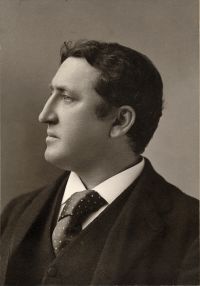
“ Ulick stood in the middle of the room, his hands clasped, his eyes closed, and recited the prayer, the Confiteor and the Litany, adding in a low voice, "A pure heart pierceth heaven and hell." Milt was overjoyed. He shook Ulick's hand, crying: "You know Thomas à Kempis, too? Come, there is hope for your immortal soul. Oh, Ulick! Why don't you forswear your evil ways of living! ”
 Charlotte M. Yonge,
The Young Step-Mother; Or, A Chronicle of Mistakes
Charlotte M. Yonge,
The Young Step-Mother; Or, A Chronicle of Mistakes
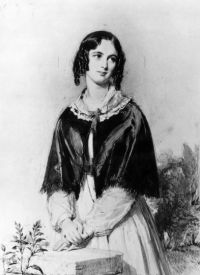
“ Kendal’s smile grew broad. It was the funniest thing to see Ulick sporting with Sophy’s gravity, constraining her to playfulness, with something of the compulsion exercised by a large frolicsome puppy upon a sober old dog of less size and strength. ‘I do not like to see powers wasted on paradox,’ she said, even as the grave senior might roll up his lip and snarl. ‘I’m in earnest, Sophy,’ pursued Ulick, changing his note to eagerness. ‘La grande nation herself finds that logic was her bane. Consistency was never made for man! ”


