United States Bureau of the Census

Definition and stakes

U.S. Census Bureau Geographic Areas Reference Manual (1994)

Each State enacts laws and regulations for establishing incorporated places. The Census Bureau designates criteria of total population size, population density, and geographic configuration for delineating CDPs. Not everyone resides in a place; in 1990, approximately 66 million people (26 percent) in the United States lived outside of any place, either in small settlements, in the open countryside, or in the densely settled fringe of large cities in areas that were built-up, but not identifiable as places.
Source: Wikisource

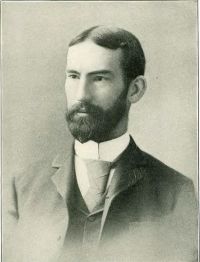
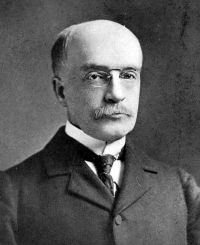
Portrait of Richmond Mayo-Smith Richmond Mayo-Smith The Eleventh Census of the United States (1891)

The new census of the United States is as ambitious as the census of 1880, and in some directions attempts to do even more than that stupendous undertaking did. Investigating industrial and social phenomena from all sides, it seeks to give, as it were, a complete picture of the national resources and the national life. No other country in the world attempts under the name of census to do one-tenth part of the work which the bureau at Washington, improvised at a few months' notice, cheerfully and confidently undertakes; and the census returns of no other nation make such an array of volumes.
Source: Wikisource

U.S. Census Bureau Geographic Areas Reference Manual (1994)

However, the Census Bureau treated the CNMI separately from the TTPI in the 1980 census tabulations because the legal structure for its commonwealth relationship with the United States was already in place. Citizens of the CNMI elect a governor and lieutenant governor, a 15-member House of Representatives, and a 9-member Senate.
Source: Wikisource

Get perspective with Kwize: daily news enlightened by great literature