Walcheren Campaign

Definition and stakes

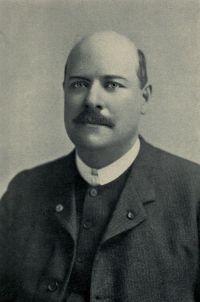
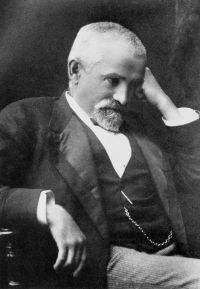
Portrait of John Codman Ropes John Codman Ropes,  The Campaign of Waterloo: A Military History

“ No doubt, the occupation of any point or points on the line by which two allied armies communicate with each other tends to embarrass them, to hinder any combined movements, and to delay their union; but to direct the march of an invading army 15merely to compass this end, when it is possible to defeat one of these opposing armies by engaging it where it cannot be supported by its ally, is to miss the opportunity of the campaign. ”
Source: Gutenberg

Portrait of John Codman Ropes John Codman Ropes,  The Campaign of Waterloo: A Military History

“ If Blücher should do this, the two armies, it is true, would be separated and could be dealt with accordingly; but the difficulties of the campaign would be vastly greater than if the Prussian army should be practically disposed of by a decisive victory at the outset. For if the Prussians should fall back without hazarding a battle, they would have to be pursued, certainly far enough to ascertain their real intentions, and to become assured that they were, for the time being at least, definitely separated from the army of Wellington. ”
Source: Gutenberg

Portrait of Hilaire Belloc Hilaire Belloc,  Waterloo

“ That neighbouring community and its government, if they are so old-fashioned as to prefer freedom, will resist by force of arms, and there will follow what is called a “campaign” (a term derived from the French, and signifying a countryside: for countrysides are the theatres of wars) . In this campaign the political object of the attempted conquest on the one hand, and of resistance to it on the other, are the issue. The military aspect of the campaign is subsidiary to its political objects, and we judge of its success or failure not in military but in political terms. ”
Source: Gutenberg

Get perspective with Kwize: daily news enlightened by great literature