Westminster Assembly

Definition and stakes

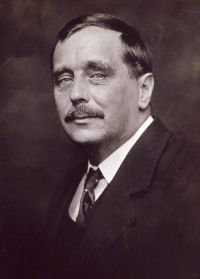
Portrait of H. G. Wells H. G. Wells,  A year of prophesying (1925)

“ It is not yet sufficiently realised, even by the supporters of Proportional Representation, that a country which returns men because they are distinctive and significant to its Legislature—and that is what the adoption of Proportional Representation means—will need an assembly of a different size and type from the present clumsy crowd of notables and nobodies at Westminster. There are too many members of Parliament at Westminster for efficiency, just as there are too many Congressmen at Washington. ”
Source: Gutenberg

James Wood,  The Nuttall Encyclopædia — A

“ Assembly, National, the Commons section of the States-General of France which met on May 5, 1789, constituted itself into a legislative assembly, and gave a new constitution to the country.
Assembly, Westminster, a body composed of 140 members, of which 117 were clergymen, convened at Westminster to determine questions of doctrine, worship, and discipline in the National Church, and which held its sittings, over 1100 of them, from July 1, 1643, to Feb. 22, 1649, with the result that the members of it were unanimous in regard to doctrine, but were divided in the matter of government.
”
Source: Wikisource

Portrait of Leslie Stephen Leslie Stephen,  Dictionary of National Biography… (1894)

“ In the committee, which sat at Guildhall after the adjournment of the House of Commons which followed the king's attempt to arrest the five members (4 Jan. 1641–2) , he made an eloquent speech in defence of parliamentary privilege. In the following May he accepted a deputy-lieutenancy of militia under the parliament, and on 12 June 1643 was nominated a member of the Westminster Assembly of Divines. He took the covenant on 25 Sept. following, and was one of the managers of the impeachment of Laud, January–March 1643–4. ”
Source: Wikisource

Get perspective with Kwize: daily news enlightened by great literature