William IV of England

Definition and stakes

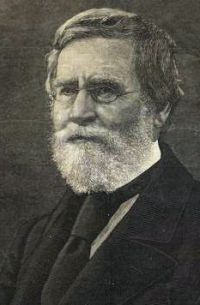
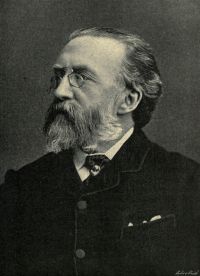
Portrait of Edward A. Freeman Edward A. Freeman William the Conqueror

In 1086 every landowner in England swore to be faithful to King William within and without England and to defend him against his enemies. The subject’s duty to the King was to any duty which the vassal might owe to any inferior lord. When the King was the embodiment of national unity and orderly government, this was the greatest of all steps in the direction of both. Never did William or any other man act more distinctly as an English statesman, never did any one act tell more directly towards the later making of England, than this memorable act of the Conqueror.
Source: Gutenberg

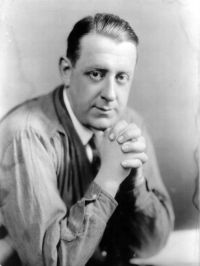
Portrait of Sarah Orne Jewett Sarah Orne Jewett The Normans; told chiefly in relation to their conquest of England

This King William that we speak about was a very wise man and very rich; more worshipped, and stronger than any of his foregangers were. He was mild to the good men that loved God, and beyond all metes stark to those who withsaid his will. On that same ground where God gave him that he should win England, he reared a noble minster and set monks there and well endowed it.
Source: Gutenberg

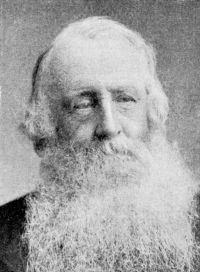
Portrait of Jacob Abbott Jacob Abbott William the Conqueror

William, however, was not in a mood to be pleased. He told Philip, on taking leave of him, that he was losing the most powerful vassal that any lord sovereign ever had, by the course which he had decided to pursue. "I would have held the whole realm of England as a part of your dominions, acknowledging you as sovereign over all, if you had consented to render me your aid, but I will not do it since you refuse. I shall feel bound to repay only those who assist me."
Source: Gutenberg

Get perspective with Kwize: daily news enlightened by great literature