Yu the Great

Definition and stakes

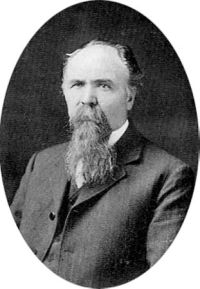
T. Subba Row,  A Collection of Esoteric Writings of T. Subba Row (1910)

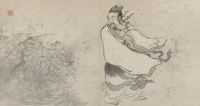
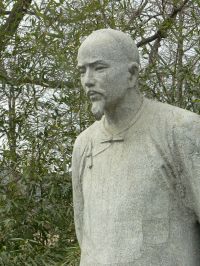
“ The Emperor Yu the "Great" (2207 B. C) , a pious mystic, is credited with having obtained his occult wisdom and the system of theocracy established by him—for he was the first one to unite in China ecclesiastical power with temporal authority—from Si-dzang. That system was the same as with the old Egyptians and the Chaldees; that which we know to have existed in the Brahmanical period in India, and to exist now in Tibet; namely, all the learning, power, the temporal as well as the secret wisdom were concentrated within the hierarchy of the priests and limited to their caste. ”
Source: Wikisource

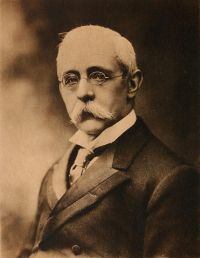
Portrait of Herbert Allen Giles Herbert Allen Giles,  The Civilization of China — Chapter VII—Philosophy and Sport

“ Another great statesman, who flourished over two hundred years later, and also several times suffered banishment, in an inscription to the honour and glory of his predecessor, put down the following words: "Truth began to be obscured and literature to fade; supernatural religions sprang up on all sides, and many eminent scholars failed to oppose their advance, until Han Yu, the cotton-clothed, arose and blasted them with his derisive sneer." ”
Source: Wikisource

Portrait of F. H. King F. H. King,  Farmers of Forty Centuries; Or…

“ Rather the master purpose must have been maintenance for the increasing flood of humanity. And I am willing to grant to the Great Yu, with his finger on the pulse of the nation, the power to project his vision four thousand years into the future of his race and to formulate some of the measures which might he inaugurated to grow with the years and make certain perpetual maintenance for those to follow. ”
Source: Gutenberg

Get perspective with Kwize: daily news enlightened by great literature