Zaporozhian Cossacks

Definition and stakes

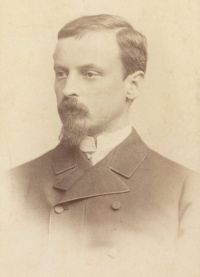
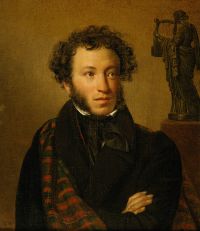
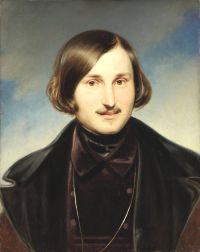
Portrait of Nikolai Vasilevich Gogol Nikolai Vasilevich Gogol,  Cossack Tales

“ Every one knew how hard it was to contend with the Zaporoghians, warriors hardened in warfare, and who, even in their self-willed licence, kept a pre-concerted order in battle. The mounted Cossacks rode without encumbering or over-exerting the horses; the infantry steadily followed the waggons, and the whole army moved only during the night, taking rest by day in open places, uninhabited tracts and forests, of which there were then plenty. ”
Source: Gutenberg

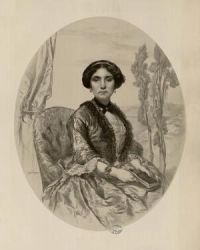
Renée Gaudin de Villaine Maud,  One Year at the Russian Court: 1904-1905

“ The love of liberty, of war, of rapine are the chief characteristics of the Cossacks. They are excellent warriors and believe themselves superior to all other races. The power of Russia only makes itself felt in their country by troops which are quartered there. They look upon these soldiers as so many intruders, and despise the Russian peasant, whom they consider coarse and savage.
The Cossack does not work at home; the young girl is allowed to do nothing, but may amuse herself to her heart’s content; a married woman must work very hard up to even the most advanced age.
”
Source: Gutenberg

Portrait of Nikolai Vasilevich Gogol Nikolai Vasilevich Gogol,  Cossack Tales

“ Involuntarily he recollected the saying that Zaporoghians are like children:—Is there but little food? they will eat it; is there much? they will still leave nothing. What was to be done? There was yet somewhere, he thought, in the waggons of his father's regiment a sack of white bread, which the Cossacks had found while pillaging the cloister kitchen. Andrew went straight to his father's waggon: the sack was not there! Ostap had taken it to rest his head upon, and, stretched on the ground, he made the whole field resound with his snoring. ”
Source: Gutenberg

Get perspective with Kwize: daily news enlightened by great literature