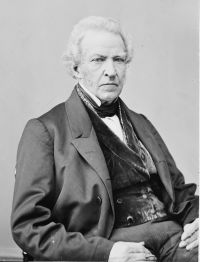
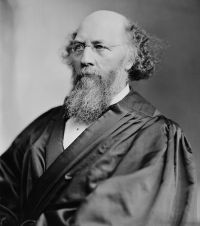
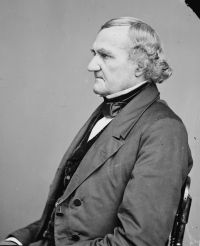
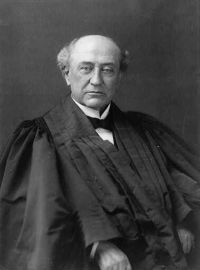
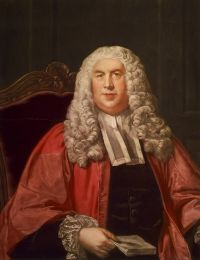
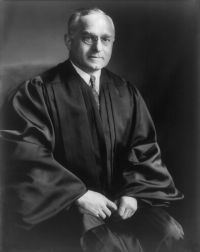
Adverse possession is a legal principle that enables an individual to acquire ownership of land through continuous, open, and assertive occupation, regardless of formal title. This concept, examined by legal scholars such as William Johnson, Nathan Clifford, and Samuel Freeman Miller, highlights the conflict between actual control and legal records. Johnson stressed that the "character of the possession," rather than its legitimacy, determines ownership, while Clifford underscored the importance of unbroken, visible occupation to nullify previous claims.
Miller similarly observed that adverse possession emerges from claiming ownership through physical presence, irrespective of the foundation for that claim. These viewpoints together portray adverse possession as a legal framework that emphasizes tangible control over formal documentation, thus influencing property law's evolving relationship between possession and ownership.