Artillery bombardment

Definition and stakes

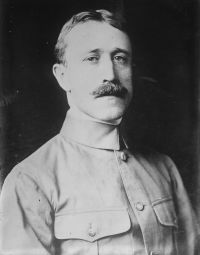
Frederick P. Gibbon,  The Disputed V.C.: A Tale of the Indian Mutiny

“ To our hero and to the hundreds of onlookers the bombardment formed a grand but awful spectacle. Fascinated by the sight, they watched the salvoes of artillery directed at the bastions, every shot striking home, sending up clouds of dust, and followed often enough by a fall of masonry. The rebel shots whistled and rattled in the air, guns flashed and shells exploded both over their own men and over the doomed city. From the highest to the lowest, from the general in command to the youngest drummer-boy, all knew that this was the crowning work of anxious months of toil. ”
Source: Gutenberg

True Stories of the Great War, Volume 6…

“ For the most part, however, we found the German trenches obliterated, the little village a smoking heap of ruins, and those Germans who survived, dazed and frightened, amid piles of torn corpses. If this enormous concentration of guns was required to blast a path of 1,400 yards with a thirty-five-minute bombardment, what a gigantic concentration of artillery, what a colossal expenditure of ammunition, will be required to drive a wedge several miles deep through positions which the Germans have spent three seasons in strengthening and consolidating! ”
Source: Gutenberg

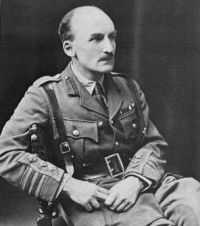
Portrait of J. F. C. Fuller J. F. C. Fuller,  Tanks in the Great War, 1914-1918

“ The artillery bombardment opened on May 28, June 7 being fixed for the attack. It was a terrific cannonade, watching it from Kemmel hill or the Scherpenberg, to-day almost blasted out of recognition themselves, one could see the Grand bois, Wytschaete wood, and the green fields along the valleys of the Steenbeek and Wytschaetebeek being slowly converted into a dun-coloured area which the first heavy fall of rain would convert into a porridge of mud. ”
Source: Gutenberg

Get perspective with Kwize: daily news enlightened by great literature