Ash (fuel)

Definition and stakes

Babcock & Wilcox Company,  Steam, Its Generation and Use

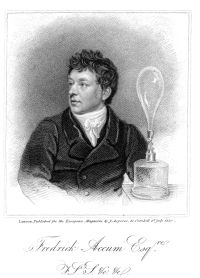
“ A large percentage of ash is undesirable as it not only reduces the calorific value of the fuel, but chokes up the air passages in the furnace and through the fuel bed, thus preventing the rapid combustion necessary to high efficiency. If the coal contains an excessive quantity of sulphur, trouble will result from its harmful action on the metal of the boiler where moisture is present, and because it unites with the ash to form a fusible slag or clinker which will choke up the grate bars and form a solid mass in which large quantities of unconsumed carbon may be imbedded. ”
Source: Gutenberg

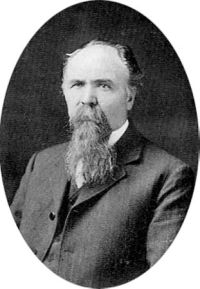
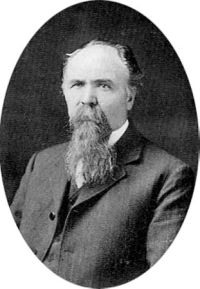
Portrait of Franklin Hiram King Franklin Hiram King,  Farmers of forty centuries (1911)

“ On this basis, and with a content of phosphorus equal to .5 per cent, and of potassium equal to 5 per cent, the fuel ash for Japan would amount to 1,404,000 tons annually, carrying 7020 tons of phosphorus and 70,200 tons of potassium, together with more than 400,000 tons of limestone, which is returned annually to less than 21,231 square miles of cultivated land. ”
Source: Wikisource

Edwin E. Slosson,  Creative Chemistry: Descriptive of Recent Achievements in the Chemical Industries

“ In 1916 even under the stimulus of tenfold prices the amount of potash produced as pearl ash was only 412 tons—and we need 300,000 tons in some form. It would, of course, be very desirable as a conservation measure if all the sawdust and waste wood were utilized by charring it in retorts. The gas makes a handy fuel. The tar washed from the gas contains a lot of valuable products. And potash can be leached out of the charcoal or from its ashes whenever it is burned. ”
Source: Gutenberg

Get perspective with Kwize: daily news enlightened by great literature