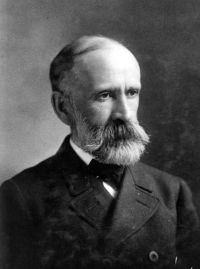
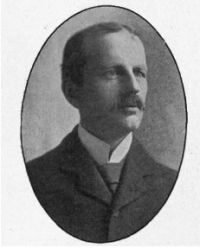
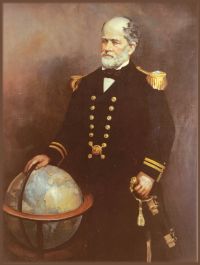
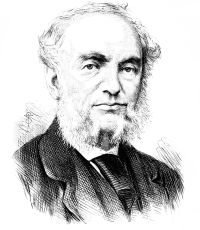
Atmospheric circulation refers to the large-scale movement of air that redistributes thermal energy across Earth’s surface, driven by solar heating and the planet’s rotation. This system comprises three primary cells—Hadley, Ferrel, and Polar—each governing distinct latitudinal zones. Alexander Buchan highlighted its origin in unequal solar heating, while L. P. Gratacap emphasized temperature differences as the force behind air movement.
James Weir compared it to gaseous masses absorbing and returning energy, reflecting patterns seen in solid materials. These viewpoints illustrate how circulation regulates heat exchange, influencing weather and climate. The interaction of thermal gradients and the Coriolis effect maintains this dynamic, ensuring the planet’s atmospheric and oceanic systems remain in continuous, yet variable, balance.