Bank (geography)

Definition and stakes

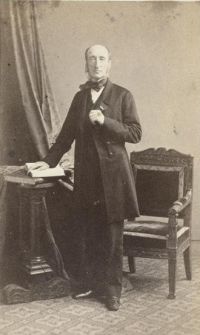
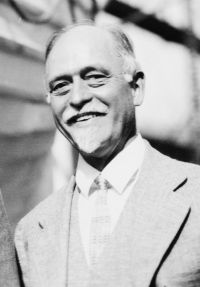
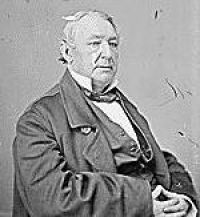
Portrait of John Stuart Mill John Stuart Mill,  Principles of Political Economy (1871)

“ Every district has its local bank, of a size to suit its wants, the stock of which is owned by the small capitalists of the neighbourhood, and managed by themselves; the consequence of which is, that in no part of the world is the system of banking so perfect—so little liable to vibration in the amount of loans—the necessary effect of which is, that in none is the value of property so little affected by changes in the amount or value of the currency resulting from the movements of their own banking institutions. ”
Source: Wikisource

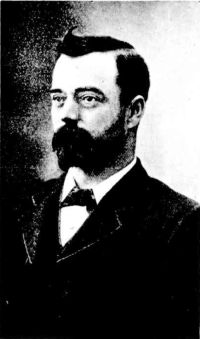
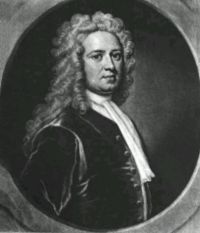
Portrait of John Law John Law,  Money and trade considered (1750)

“ The use of banks has been the best method yet practised for the increase of money. banks have been long used in Italy, but as I am informed, the invention of them was owing to Sweedland. their money was copper, which was inconvenient, by reason of its weight and bulk; to remedy this inconveniency, a bank was set up [Pg 65] where the money might be pledged, and credit given to the value, which past in payments, and facilitate trade.
The Dutch for the same reason set up the bank of Amsterdam. their money was silver, but their trade was so great as to find payments even in silver inconvenient.
”
Source: Gutenberg

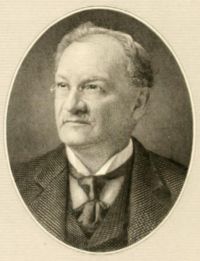
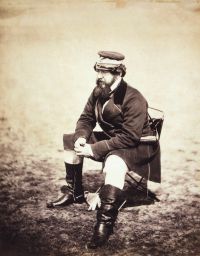
Portrait of Michel Chevalier Michel Chevalier,  Society, Manners and Politics in the United States

“ And it is furthermore evident, that the Bank, which is met at every turn as an agent in all transactions, which governs credit, regulates the currency, animates or checks at will the activity of commerce by narrowing or widening the channels of circulation, the Bank, which by its numerous branches is, like the fabled polypus, everywhere present, the Bank with its funds, its centralisation, its trusty creatures, is certainly an anomaly, which may become big with danger. ”
Source: Gutenberg

Get perspective with Kwize: daily news enlightened by great literature