Bear claw

Definition and stakes

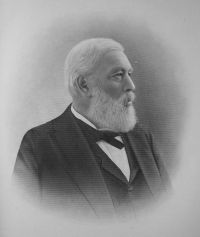
Portrait of William Berryman Scott William Berryman Scott,  A history of land mammals in the Western Hemisphere (1913)

“ It would be quite absurd to suppose that such ponderous animals could have been climbers or burrowers, hence the function of the enormous claws, especially the single one of the pes, is not obvious, though they may have been merely the weapons of the otherwise defenceless monsters. The great claw in the fore foot of the Ant-Bear is a terrible weapon, with which the creature vigorously and successfully defends itself against dogs, and it may even be dangerous to men, if incautiously molested. ”

Source: Gutenberg

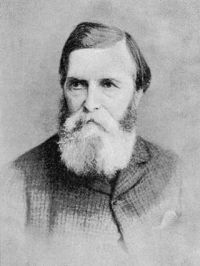
Portrait of Mayne Reid Mayne Reid,  Bruin: The Grand Bear Hunt

“ As it is, now, you can see clearly the marks of the claws; but in a day or two, when the sun or the rain has fallen upon the snow, and melted it a little, the claw marks will then be filled up with the thaw, and, losing their sharp outlines, will look much more like the tracks of toes. For that reason, an old bear-track is, indeed, as you say, very like that of a human foot.”
“And quite as large too?”
“Quite as large: the tracks of some kinds even larger than those of most men. As, for instance, the white and grizzly species—many individuals of both having paws over twelve inches in length!”
”
Source: Gutenberg

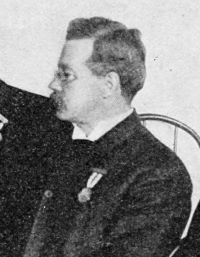
Portrait of William J. Long William J. Long,  A Little Brother to the Bear, and other Animal Studies

“ An old Indian who lives and hunts on Vancouver Island told me recently that he has several times caught beaver that had previously cut their legs off to escape from traps, and that two of them had covered the wounds thickly with gum, as the muskrat had done. Last spring the same Indian caught a bear in a deadfall. On the animal's side was a long rip from some other bear's claw, and the wound had been smeared thickly with soft spruce resin. ”
Source: Gutenberg

Get perspective with Kwize: daily news enlightened by great literature