Nightjar

Definition and stakes

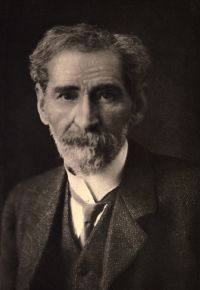
Portrait of Owen Jones Owen Jones,  A Gamekeeper's Note-book (1910)

“ On a midsummer night, in an old wood, the crooning of the nightjar, with its whirring, vibrant, monotonous notes, now rising, now falling in key, seems- 126 - the ideal of lullaby. The beautiful night-flying swallow suffers for an evil reputation. It is a bird of mystery.
The nightjar is the last of our summer visitors, coming about the middle of May to stay until September. It is known almost the world over, but few understand its ways; birds of the night suggest evil doings and inspire superstition.
”
Source: Gutenberg

Douglas Dewar,  Glimpses of Indian Birds

“ We know that their bills are wide in order [253] to seize large insects on the wing, and that if goats yield no milk in the morning it is not the nightjar who is to blame. Nightjars are brownish grey birds, mottled and barred all over like cuckoos, for which they are often mistaken. Two are common in India. The first of these is Caprimulgus asiaticus, the common Indian nightjar, whose call is heard only after nightfall, and resembles the sound made by a stone skimming over ice. The other nightjar is that of Horsfield (Caprimulgus macrurus) . ”
Source: Gutenberg

Portrait of Owen Jones Owen Jones,  A Gamekeeper's Note-book (1910)

“ It finds good hunting among oak-trees, and is especially fond of several of the many insects that chiefly haunt the oaks.
The nightjar is among the nestless birds, and is content to lay its two eggs on the ground. When hatched the young are covered with down like young peewits, and they grow at an amazing rate. An old nightjar, when disturbed from its young, will go through a despairing performance, flitting to a low branch near by, and flapping or wringing its wings in a disconsolate manner, as though to say, "Please go away—please do go away!"
”
Source: Gutenberg

Get perspective with Kwize: daily news enlightened by great literature