Cavalry horse

Definition and stakes

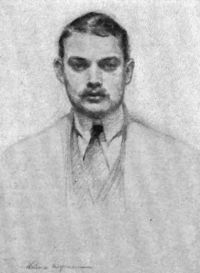
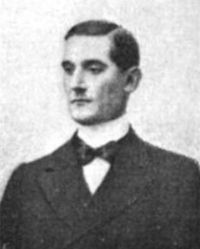
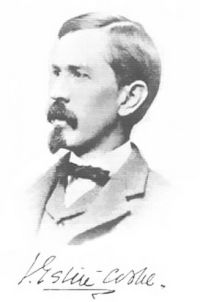
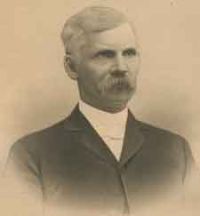
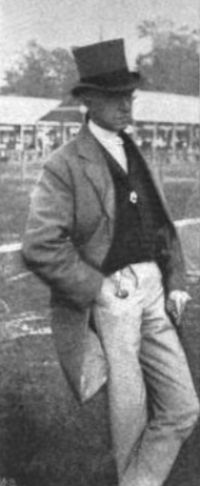
Portrait of Edward Payson Roe Edward Payson Roe,  His Sombre Rivals

“ You don't imagine that our cavalry evolutions are all performed on straight turnpike roads, do you? Now you know that you have given me an animal that can carry me wherever a horse can go, and so have added much to my chances of safety. I can skim out of a melee like a bird with Mayburn—for that shall be his name—where a blundering, stupid horse would break my neck, if I wasn't shot. ”
Source: Gutenberg

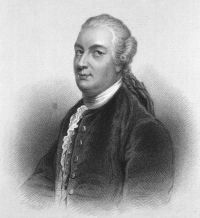
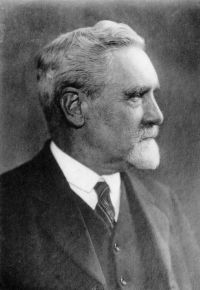
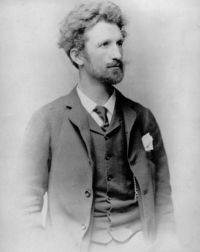
Portrait of Sir Walter Gilbey Sir Walter Gilbey,  The Great Horse; or, The War Horse

“ Prelates and churchmen of rank were allowed by law to ride, but were counselled to use mares, in order to spare the horses for military purposes. It is to be observed that, although cavalry as a fighting arm was unknown in Britain for the first thousand years of the Christian era, horses of a sturdy and enduring stamp were as essential to the efficiency of troops, as they became at a later date when armoured horsemen formed perhaps the most formidable part of an army. ”
Source: Gutenberg

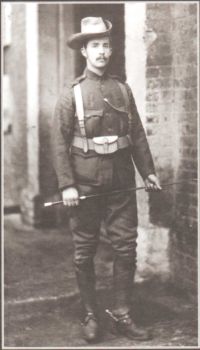
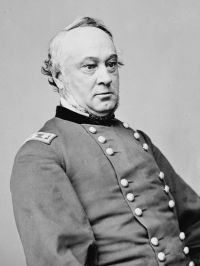
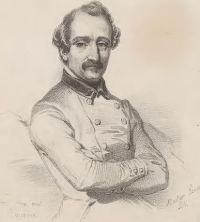
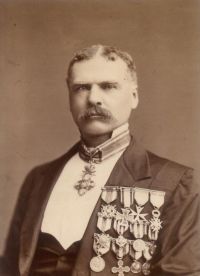
Portrait of Friedrich von Bernhardi Friedrich von Bernhardi,  Cavalry in Future Wars

“ The German Cavalry horse is much more dependent on a sufficiency of food than the man; the nature of his load, together with the rapidity of movement, and hence the greater intensity of the exertions demanded of him, attack the animal in a far greater degree than the more uniform march performance of the men, who, moreover, are susceptible to moral influences, capable of greatly increasing their powers; finally, sore backs and lameness in long-continued exertions decimate the ranks of the horses to a much greater degree than a well-trained and equipped Infantry suffers from similar causes. ”
Source: Gutenberg

Get perspective with Kwize: daily news enlightened by great literature