The literary concept of charade refers to a form of performance in which participants enact words or phrases syllable by syllable, prompting the audience to guess the full term. This theme has been examined through various perspectives, ranging from the structured theatricality outlined in the Encyclopædia Britannica to the imaginative dramatic scenes devised by William James Roberts, who infused the form with refined dialogue to enhance its depth.
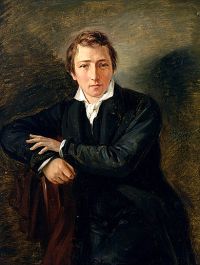
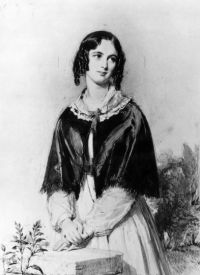
Heinrich Heine’s striking imagery of a chariot procession and H. Rider Haggard’s grand portrayals of battle-scarred chariots demonstrate how the motif connects with narrative splendor, while Charlotte M. Yonge’s intimate domestic stories underscore its cultural significance. Through these works, charade appears as a link between lighthearted interaction and meaningful storytelling, embodying both shared amusement and the human drive to uncover meaning.