Chieftaincy

Definition and stakes

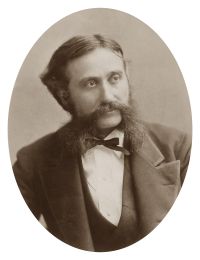
Portrait of William Henry Giles Kingston William Henry Giles Kingston,  The Circassian Chief: A Romance of Russia

“ Each man may if oppressed, leave his chief, and put himself under the protection of another; changing his lands at will to any spot he may find unoccupied, no one having the right of keeping lands he does not cultivate. Though, for many generations, they have remained under successive descendants of the same chief; they are bound by no other tie, than that of love and respect, while so carefully does each class guard its own privileges, that no chief has ever succeeded in uniting the whole under his own authority. ”
Source: Gutenberg

Mrs. A. T. Thomson,  Memoirs of the Jacobites of 1715 and 1745…

“ These petty wars gave room for a display of valour in the chiefs, and led to a mutual dependence from the followers. Alliances offensive and defensive were formed among the clans, and intermarriages were contracted between the confederated clans, who governed their followers by a kind of polity not ill regulated. The chief had the power of life and death over his large family, but it was a power seldom used. A chieftain might be cruel to his enemies, but never to his friends. ”
Source: Gutenberg

Get perspective with Kwize: daily news enlightened by great literature