Classical art

Definition and stakes

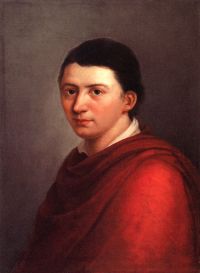
Portrait of Georg Wilhelm Friedrich Hegel Georg Wilhelm Friedrich Hegel,  The Philosophy of Fine Art, volume 2…

“ This realization, coinciding as it does with the entire notional concept of the beautiful, towards which the symbolic form of art strove in vain, first becomes apparent in classical art. We have already, in our previous consideration of the Idea of the beautiful and of art, outlined the general character of classic art. The Ideal supplies a content and form to classical art, which in this adequate mode in which it is embodied reveals that which true art is according to its notion. ”
Source: Gutenberg

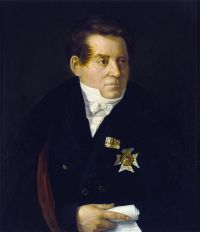
Portrait of Georg Wilhelm Friedrich Hegel Georg Wilhelm Friedrich Hegel,  The Philosophy of Fine Art, volume 1…

“ The classical art-type solves both these difficulties. It is, in fact, the free and adequate embodiment of the Idea in the shape which, according to its notional concept, is uniquely appropriate to the Idea itself. The Idea is consequently able to unite in free and completely assonant concord with it. For this reason the classical type of art is the first to present us with the creation and vision of the complete Ideal, and to establish the same as realized fact. ”
Source: Gutenberg

Get perspective with Kwize: daily news enlightened by great literature