Clerical celibacy

Definition and stakes

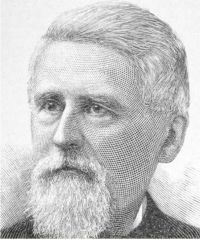
J. H. Kurtz,  Church History, Volume 1 (of 3…

“ A decretal of the Roman bishop, Siricius, in A.D. 385, with semi-Manichæan abuse of marriage, insisted on the celibacy of all bishops, presbyters and deacons, and Leo the Great included even subdeacons under this obligation. All the more distinguished Latin church teachers contended zealously for the universal application of the injunction of clerical celibacy. Yet there were numerous instances of the contravention of the order in Italy, in Gaul, and in Spain itself, and conformity could not be secured even by the most emphatic re-issue of the injunction by successive Synods. ”
Source: Gutenberg

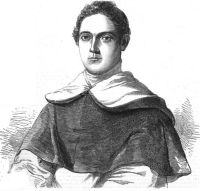
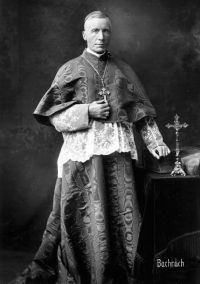
Portrait of James Gibbons James Gibbons,  The Faith of Our Fathers

“ It is important also to observe that the unmarried clergy of the East are held in much higher esteem by the people than the married Priests.
It cannot, indeed, be denied that at certain epochs of the Church's history, especially in periods of disordered society, there were too many instances of the violation of clerical celibacy. But the repeated violations of a law are no evidence of its non-existence. Whenever the voice of the Church could be heard it always spoke in vindication of the law of priestly chastity.
”
Source: Gutenberg

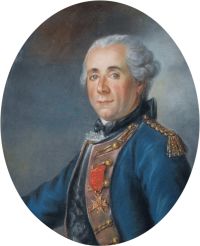
W. R. W. Stephens,  Saint John Chrysostom, His Life and Times

“ But sentiment and opinion were quite as strong in favour of clerical celibacy 219in the East as in the West. It was proposed at the Council of Nice that a canon should be passed enforcing it upon every order of the clergy; a proposal which was defeated only by the influence of the aged Egyptian monk Paphnutius, who, though he had never been married, and had always lived an ascetic life, earnestly deprecated the imposition of a burden upon all men which some men only were able to bear. ”
Source: Gutenberg

Get perspective with Kwize: daily news enlightened by great literature