Cock (bird)

Definition and stakes

Alfred Newton,  1911 Encyclopædia Britannica (1911)

“ The cock bird, with his bluish grey back and light buff breast, set off by black ear-coverts, wings, and part of the tail, is rendered still more conspicuous by his white rump as he takes short flights in front of those who disturb him, while his sprightly actions and gay song harmonize so well with his delicately-tinted plumage as to render him a welcome object to all who delight in free and open country. ”
Source: Wikisource

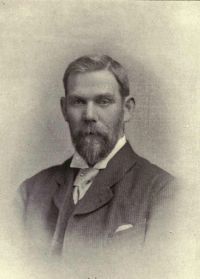
Portrait of Charles Dixon Charles Dixon,  Among the Birds in Northern Shires

“ Soon after their arrival, but never, so far as we have observed, before the flocks or travelling parties have disbanded, the cock birds regain their vernal music characteristic of the love season. With the resumption of song the bird loses a good deal of its wariness, a fact we may notice in not a few other species. He will sit and warble on the big boulders of granite or millstone grit, or when perched on the top of a rough wall or some bending spray of ling or gorse, just as sweetly as when sitting in the higher branches of some birch or mountain-ash. ”
Source: Gutenberg

Alfred Newton,  1911 Encyclopædia Britannica, Volume 17… (1911)

“ Natives are said to hunt it by fixing on their heads the erected tail of a cock-bird, which alone is allowed to be seen above the brushwood. The greater part of its time is said to be passed upon the ground, and seldom are more than a pair to be found in company. One of the habits of the cock is to form small round hillocks, which he constantly visits during the day, mounting upon them and displaying his tail by erecting it over his head, drooping his wings, scratching and pecking at the soil, and uttering various cries—some his own natural notes, others an imitation of those of other animals. ”
Source: Wikisource

Get perspective with Kwize: daily news enlightened by great literature