A connecting rod is a mechanical component that transfers forces between a piston and a crankshaft, transforming reciprocating motion into rotational movement. Historically associated with water mills and steam engines, its design has evolved from ancient Roman mechanisms to contemporary internal combustion engines.
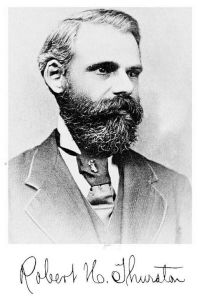
Engineers such as David Allan Low emphasized its role in steam engines, while others, like Robert Henry Thurston, described its forging and adjustment methods. Authors including Henry Kater and Samuel G. Camp examined its applications in both industrial and specialized settings, underscoring its versatility. The connecting rod’s lasting importance stems from its capacity to link mechanical motion with power transfer, illustrating centuries of engineering advancement.