Constitutional order

Definition and stakes

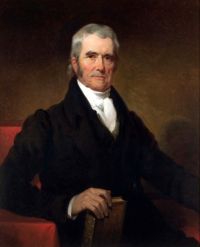
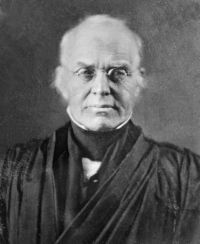
Portrait of Joseph Story Joseph Story,  Commentaries on the Constitution of the United States (1833)

“ The ordinance is founded, not on the indefeasible right of resisting acts, which are plainly unconstitutional and too oppressive to be endured; but on the strange position, that any one state may not only declare an act of congress void, but prohibit its execution,—that they may do this consistently with the constitution,—that the true construction of that instrument permits a state to retain its place in the Union, and yet be bound by no other of its laws, than those it may choose to consider as constitutional. ”
Source: Wikisource

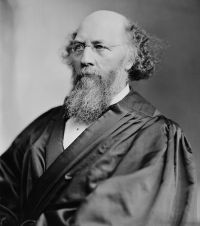
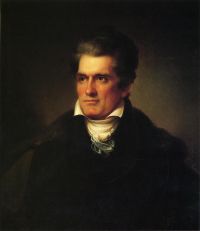
Portrait of John C. Calhoun John C. Calhoun,  Works of John C. Calhoun (1854)

“ As far as they are concerned, the State, as a party to the constitutional compact, has the right to decide, in the last resort — and, acting in the same character in which it ratified the constitution, to determine to what limits its powers extend, and how far they are bound to respect and obey it, and the acts made under its authority. ”
Source: Wikisource

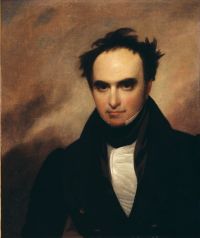
Portrait of Daniel Webster Daniel Webster,  Select Speeches of Daniel Webster…

“ But, Sir, the people have wisely provided, in the Constitution itself, a proper, suitable mode and tribunal for settling questions of constitutional law. There are in the Constitution grants of powers to Congress, and restrictions on these powers. There are, also, prohibitions on the States. Some authority must, therefore, necessarily exist, having the ultimate jurisdiction to fix and ascertain the interpretation of these grants, restrictions, and prohibitions. The Constitution has itself pointed out, ordained, and established that authority. ”
Source: Gutenberg

Get perspective with Kwize: daily news enlightened by great literature