Cudgeling

Definition and stakes

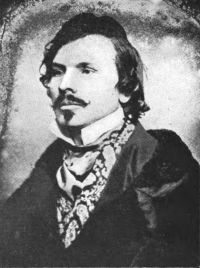
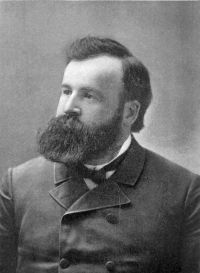
Portrait of Robert Browning Robert Browning,  Ned Bratts (1879)

“ Soon I had met in the valley and tried my cudgel's strength
On the enemy horned and winged, a-straddle across its length!
Have at his horns, thwick — thwack: they snap, see! Hoof and hoof —
Bang, break the fetlock-bones! For love's sake, keep aloof
Angels! I'm man and match, — this cudgel for my flail, —
To thresh him, hoofs and horns, bat's wing and serpent's tail!
”
Source: Wikisource

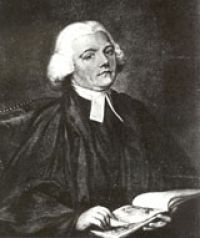
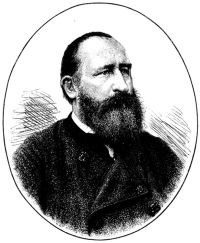
Portrait of Richard Kearton Richard Kearton,  Nature's carol singers (1906)

“ The young Cuckoo arrives into the world without a scrap of down or the sign of a feather on its dusky, ugly little body. Very soon after it is hatched it begins to show signs of great restlessness and energy, endeavouring to throw out whatever else there may be in the nest in the shape of eggs or young. Nature has equipped the little monster well for its murderous task, by providing a hollow between its broad shoulders for the reception of its victims. ”
Source: Gutenberg

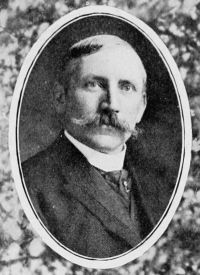
Portrait of Ernest Thompson Seton Ernest Thompson Seton,  Wild Animals at Home

“ He can kill a Buffalo or an ox with a blow of his paw, and run off with it at full speed or carry it up a tree to devour, and he is by choice a man-eater. Commonly uttering the cry of a woman in distress to decoy the gallant victim to his doom." If, on the other hand, you consult some careful natural histories, or one or two of the seasoned guides, you learn that the Cougar, though horribly destructive [Pg 191] among Deer, sheep, and colts, rarely kills a larger prey, and never is known to attack man. ”
Source: Gutenberg

Get perspective with Kwize: daily news enlightened by great literature