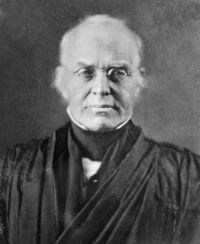
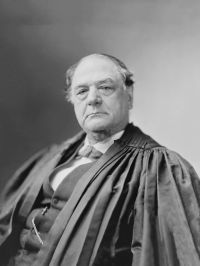
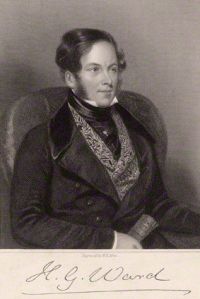
The customs collector, a key figure in trade regulation, is responsible for evaluating and collecting tariffs on imported goods, ensuring adherence to legal standards. From John Archibald Campbell’s legal recognition of importers’ rights to the Philippines’ Republic Act No. 32, which requires the reporting of duties, the role encompasses administrative thoroughness and procedural accuracy.
The United States Congress’s legislation outlines the collector’s power to enforce payments, while Erskine Childers emphasizes the lasting impact of customs traditions. Even satirical remarks, such as Punch’s comment on obsolete procedures, highlight their symbolic significance. Taken together, these viewpoints portray the customs collector not only as a practical executor of trade regulations but also as a representation of shifting economic philosophies.